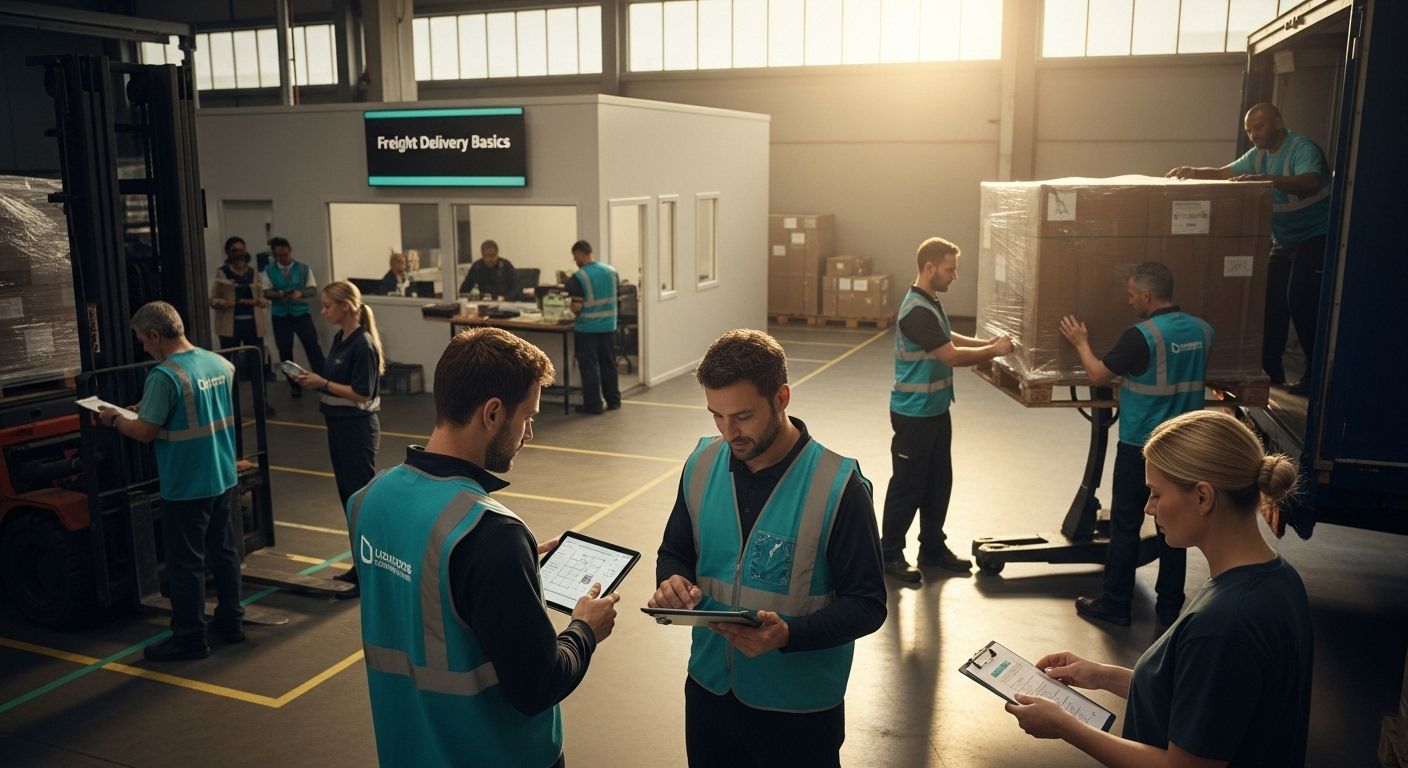
Freight delivery might sound boring at first, but it actually keeps our entire economy running. The U.S. Department of Transportation reports that freight networks directly enable commerce, fuel supply chains, and connect businesses to markets across the globe. Most people think it’s just moving cargo from one place to another. The real story is that freight delivery is a high-stakes operation filled with tech, strategy, and billions of dollars changing hands every day.
| Takeaway | Explanation |
|---|---|
| Freight delivery is vital to global commerce | It connects producers, manufacturers, and consumers, enabling efficient movement of goods and supporting economic growth. |
| Technology enhances freight efficiency | Advanced tracking systems and algorithms improve service quality, reduce delays, and increase transparency throughout the delivery process. |
| Understand various freight modes for optimization | Different modes like trucking, maritime, and air freight provide solutions tailored to cargo requirements, distance, and urgency. |
| Key factors include cost, speed, and compliance | Effective freight logistics must address these elements to minimize expenses and ensure timely and safe deliveries. |
| Challenges include infrastructure and environmental factors | Navigating operational complexities and addressing economic and sustainability challenges are critical for successful freight logistics. |
Freight delivery represents the systematic transportation of commercial goods and materials from one location to another through various transportation modes. Understanding this critical logistics process involves examining its core components, operational mechanisms, and economic significance.
At its essence, freight delivery is more than simply moving items from point A to point B. It encompasses a sophisticated network of transportation strategies designed to efficiently transport merchandise, commodities, and industrial materials across regional, national, and international landscapes. Learn more about our comprehensive freight services that ensure seamless cargo transportation.
The scope of freight delivery includes multiple transportation methods:
According to research from the U.S. Department of Transportation, freight transportation is a fundamental economic driver that enables commerce, supports supply chains, and connects businesses with markets. The process involves carefully planned logistics that consider factors like:
Modern freight delivery relies on advanced technologies and robust infrastructure. Sophisticated tracking systems, GPS monitoring, real-time communication platforms, and complex routing algorithms have transformed traditional transportation methods. These technological innovations enable more precise, efficient, and transparent freight movement, reducing delays and improving overall service quality.
Freight delivery represents a complex, multifaceted process that goes beyond simple transportation.
It requires strategic planning, technological integration, and a deep understanding of logistics principles to successfully move goods across diverse geographical landscapes.
Freight delivery serves as the critical circulatory system of global commerce, enabling businesses to transport goods efficiently and supporting economic growth across multiple industries. Understanding its profound economic impact reveals how integral this logistics process is to maintaining robust supply chains and supporting national and international trade.
Freight delivery acts as a fundamental infrastructure that connects producers, manufacturers, and consumers across vast geographical distances. Explore our specialized freight solutions that power economic interactions. By facilitating the movement of raw materials, intermediate goods, and finished products, freight transportation enables complex global supply networks that drive economic productivity.
Key economic impacts include:
According to research from the National Academies of Sciences, freight delivery represents more than transportation it is a strategic economic mechanism that determines competitive advantage. Efficient freight systems can significantly reduce operational costs, improve inventory management, and create more responsive business models.
Businesses rely on sophisticated freight delivery networks to:
Modern freight delivery is increasingly driven by technological innovations that enhance economic performance. Advanced tracking systems, artificial intelligence, and data analytics are transforming traditional transportation models, making them more predictable, transparent, and cost-effective.
These technological advancements enable businesses to create more sophisticated, responsive, and efficient supply chain strategies. By reducing transportation times, minimizing risks, and providing real-time visibility, freight delivery has become a critical component of economic competitiveness in the global marketplace.
Freight delivery is a complex, systematic process involving multiple interconnected stages that transform raw transportation logistics into efficient cargo movement. Understanding these intricate processes reveals the sophisticated mechanisms behind successful goods transportation across regional and global networks.
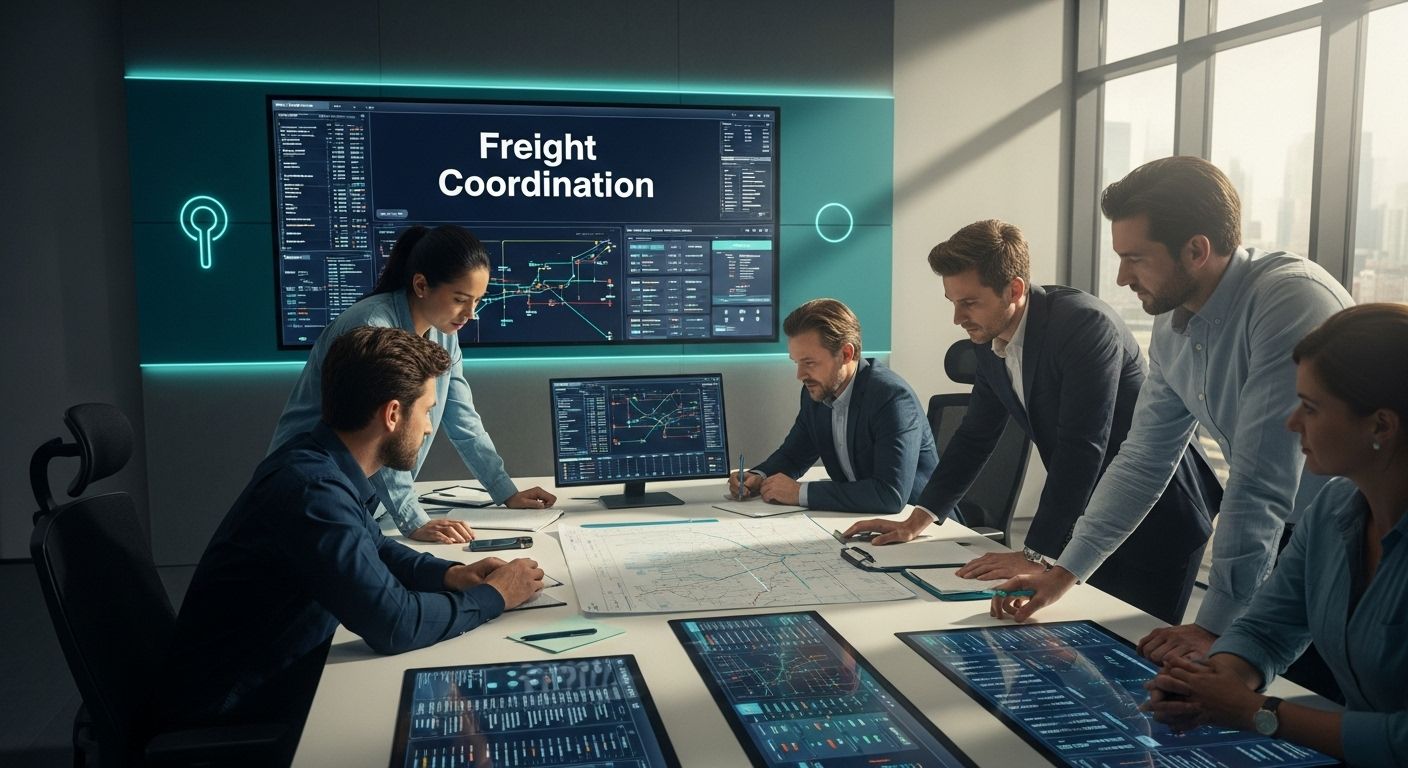
The freight delivery process begins with comprehensive shipment planning, where logistics professionals evaluate multiple critical factors. Learn about our advanced freight coordination strategies that ensure seamless transportation. This initial stage involves:
According to research from the U.S. Department of Transportation, freight execution involves precise coordination across multiple transportation infrastructures. The transportation phase encompasses several intricate steps:
The final stage of freight delivery focuses on comprehensive tracking, verification, and successful cargo handover. Advanced technological systems enable real-time monitoring, providing transparency throughout the transportation process. Logistics professionals utilize sophisticated tracking platforms to:
Freight delivery represents a meticulously orchestrated process that demands strategic planning, technological integration, and expert execution. Each stage requires precision, adaptability, and a deep understanding of complex transportation dynamics to successfully move goods across diverse geographical landscapes.
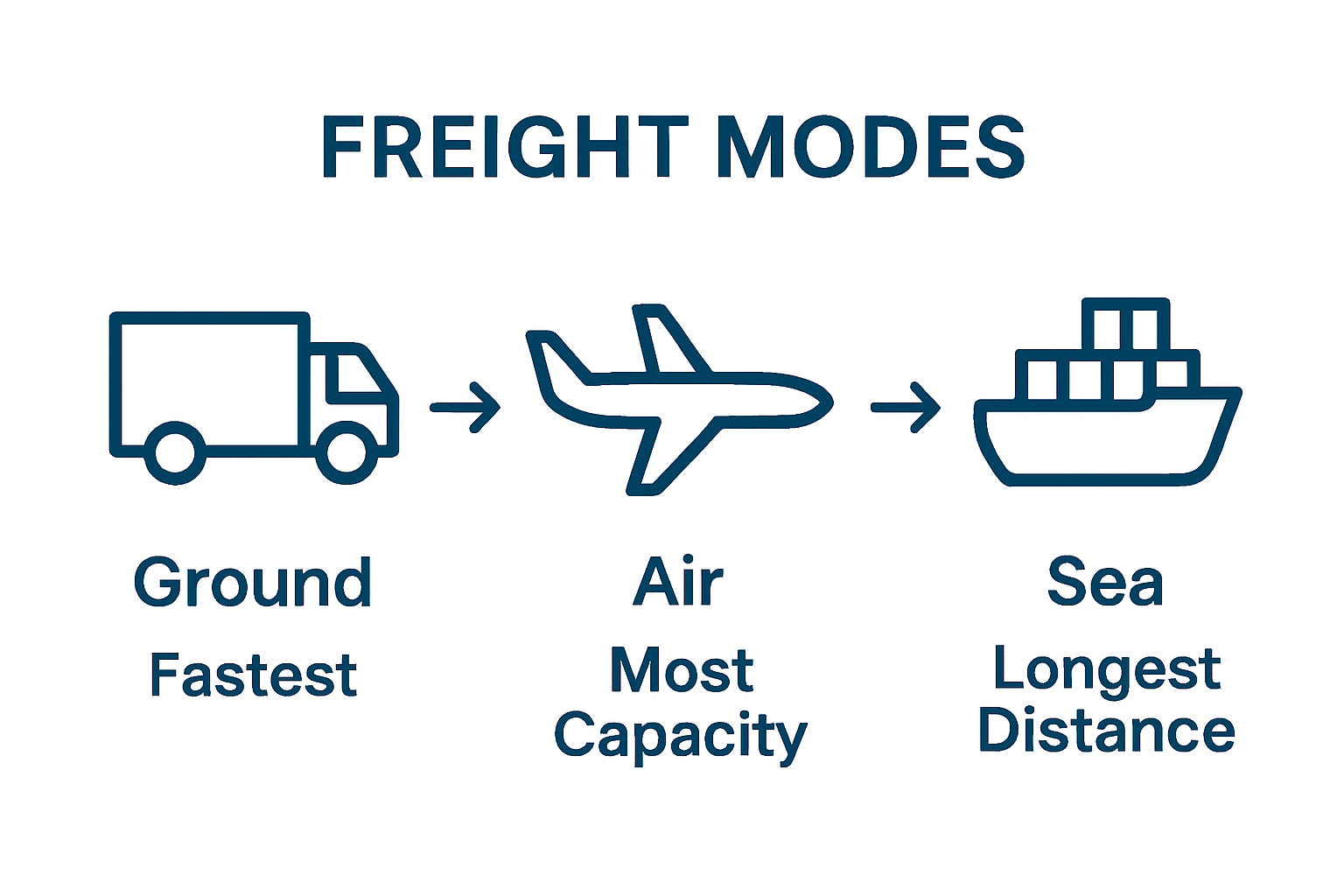
Freight transportation encompasses diverse modes of transport, each designed to address specific logistical requirements, cargo characteristics, and economic considerations. Understanding these different freight types is crucial for businesses seeking optimal transportation solutions tailored to their unique shipping needs.
Ground transportation represents the most versatile and widely used freight mode, offering flexibility and comprehensive coverage across various distances. Explore our comprehensive ground freight solutions that meet diverse shipping requirements. This category includes multiple transportation methods:
According to research from the U.S. Department of Transportation, maritime and air freight represent critical international transportation modes that enable global commerce. These methods provide extensive reach for long-distance and intercontinental shipments:
Advanced freight services continue to evolve, incorporating technological innovations and addressing complex logistical challenges. Modern transportation solutions now include specialized services designed for unique industry requirements:
Freight delivery represents a dynamic ecosystem of transportation methods, each offering distinct advantages based on specific cargo characteristics, distance, urgency, and economic considerations. Understanding these diverse options enables businesses to make informed decisions that optimize their supply chain efficiency.
To help you compare the different types of freight transportation mentioned in the article, the following table summarizes their key features and best-use scenarios.
| Mode of Freight | Description | Best For |
|---|---|---|
| Truckload (TL) | Full truck dedicated to one shipment | Large shipments, direct routes |
| Less Than Truckload (LTL) | Partial truck space for multiple shipments | Small-to-medium shipments, cost savings |
| Flatbed | Open-air carrier, no sides or roof | Oversized or irregular equipment |
| Refrigerated | Temperature-controlled shipping | Perishables, pharmaceuticals |
| Maritime (Container) | Intermodal containers for sea transport | Large international cargo |
| Bulk Cargo | Shipments of unpackaged bulk goods | Commodities, raw materials |
| Air Freight | Expedited shipping by air | Time-sensitive, high-value items |
Freight delivery confronts numerous complex challenges that require strategic planning, technological innovation, and comprehensive risk management. Understanding these multifaceted obstacles is crucial for businesses seeking to optimize their transportation and logistics operations in an increasingly dynamic global marketplace.
Operational complexities represent significant hurdles in effective freight delivery. Learn about our advanced logistical solutions that address these intricate challenges. Critical operational considerations include:
According to research from the Federal Highway Administration, freight delivery faces significant economic and environmental challenges that demand innovative solutions. Key factors include:
Technological advancement and human resource management present critical considerations in modern freight delivery. The industry must simultaneously address technological integration and workforce development:
Freight delivery represents a dynamic ecosystem requiring continuous adaptation. Successful navigation of these challenges demands a holistic approach that balances technological innovation, strategic planning, economic considerations, and human expertise.
Here is a table highlighting major challenges in freight delivery and their corresponding examples or explanations for better clarity.
| Challenge Category | Example/Explanation |
|---|---|
| Infrastructure Limitations | Aging roads, congestion impacting schedules |
| Capacity Constraints | Shortage of trucks, drivers, or storage |
| Fuel Cost Volatility | Fluctuating prices affect delivery costs |
| Carbon Emission Regulations | Increased pressure for sustainable solutions |
| Digital Transformation | Complex technology implementation for tracking and management |
| Cybersecurity Risks | Protecting logistics systems from breaches |
| Workforce Training & Shortage | Need for skilled labor and ongoing upskilling in advanced systems |
Is navigating the world of freight delivery leaving your business overwhelmed by logistical headaches and delays? This article explained how intricate processes, complex planning, and technology demands can turn even routine shipping into a real struggle. At US Pro Logistics, we understand that what you want most is reliability, clear communication, and a true partner who puts your priorities first. Our team takes care of the hard parts for you from precise tracking and route planning to hands-on support tailored for your schedule and budget. Whether you are shipping across California or moving freight nationwide, we match the detail and transparency discussed in our freight delivery basics to every shipment.
Discover how our all-in-one moving and logistics solutions streamline every stage of freight management with efficiency and peace of mind. Request your personalized quote or consult a logistics expert today at US Pro Logistics. Move your cargo with a team that values reliability, expertise, and service for every customer. Take action now and let us turn your stress into steady, professional results.
Freight delivery refers to the systematic transportation of commercial goods and materials from one location to another using various transportation methods such as trucking, rail, maritime, and air cargo.
The primary types of freight transportation include ground transportation (truckload, less than truckload, flatbed, refrigerated), maritime shipping (container and bulk cargo), and air freight. Each mode serves different logistical requirements and cargo characteristics.
Freight delivery is crucial for economic growth as it facilitates international trade, connects producers and consumers, creates jobs in logistics, and supports efficient supply chains, thereby enhancing overall economic productivity.
Key challenges in freight delivery include operational complexities such as infrastructure limitations and capacity constraints, economic issues like fuel cost volatility, and technological challenges such as digital transformation and cybersecurity risks.
USDOT 3664256 This number is required for any company that operates commercial vehicles in interstate commerce (across state lines). It helps identify and track the safety performance and compliance of transportation companies.
MC 1268070 This number is specifically for companies involved in the transportation of goods or passengers for hire across state lines. It’s necessary for carriers operating in the moving industry and ensures they are authorized to operate as interstate carriers.

