
Commercial moves in California are on a whole different level. Think about this—a single business relocation can involve assets worth millions and affect the daily operations of hundreds of employees. Most people assume it is just about moving boxes and desks. Actually, commercial moving is a strategic operation filled with regulations, insurance hurdles, and technology transitions that can make or break an organization’s success.
| Takeaway | Explanation |
|---|---|
| Commercial moving is complex and strategic. | It involves detailed planning and logistics to minimize disruption while relocating organizational assets effectively. |
| Understand industry-specific regulations and compliance. | Organizations must ensure they meet legal requirements specific to their industry to avoid potential fines and interruptions during moving. |
| Choose movers with proper credentials. | Verify a mover’s DOT number and industry certifications to ensure they are legally authorized and qualified to conduct commercial moves. |
| Prioritize specialized handling of equipment. | Professional movers should utilize technicians trained in transporting sensitive technology and equipment to prevent damage and ensure operational continuity. |
| Assess comprehensive support and additional services. | Look for movers that provide flexible solutions, such as storage and IT reconstruction, to facilitate a smoother transition and protect business operations. |
Commercial moving represents a complex and specialized logistics operation that fundamentally differs from residential relocations. Unlike moving household items, commercial moving involves intricate planning, specialized equipment, and precise coordination to minimize business disruption. According to the U.S. Bureau of Labor Statistics, commercial moving services require unique expertise in handling office environments, institutional facilities, and professional infrastructure.
To help clarify the distinct features of commercial moving versus residential moving, the following table summarizes key differences in scope, requirements, and processes.
| Feature | Commercial Moving | Residential Moving |
|---|---|---|
| Operational Complexity | High; involves large-scale project management and complex logistics | Lower; mainly involves household goods |
| Regulatory & Insurance Requirements | Extensive; industry-specific compliance & insurance | Basic coverage and fewer regulations |
| Technology/Equipment Handling | Specialized handling for IT and machinery | Standard household items |
| Disruption to Operations | Must minimize downtime for business continuity | Less impact on daily life |
| Coordination | Multiple departments/stakeholders | Typically single-family involvement |
The scope of commercial moving extends far beyond simply transporting items from one location to another. Businesses face significant challenges when relocating, including minimizing operational downtime, protecting sensitive equipment, and ensuring seamless transition of technological infrastructure. Professional commercial movers understand these critical nuances and develop comprehensive strategies tailored to each organization’s specific needs.
Key operational differences include managing complex inventories of office equipment, handling specialized machinery, and coordinating moves that might involve multiple departments or entire corporate campuses. Unlike residential moves, commercial relocations often require advanced project management skills, precise scheduling, and meticulous documentation to track every asset during transit.
Commercial moves involve significantly more complex regulatory and insurance requirements compared to residential relocations. Businesses must comply with various state and federal regulations when moving equipment, especially for industries with strict compliance standards like healthcare, technology, and manufacturing.
Professional commercial moving services provide comprehensive insurance coverage that protects not just the physical assets being moved, but also accounts for potential business interruption and data security risks. Research from risk management experts indicates that companies can mitigate substantial financial risks by working with specialized commercial moving providers who understand these intricate legal and insurance frameworks.
One of the most critical aspects of commercial moving is managing technological infrastructure. This involves carefully disconnecting, transporting, and reinstalling complex network systems, servers, telecommunications equipment, and sensitive electronic devices. Professional commercial movers employ specialized technicians who understand the delicate nature of IT equipment and can ensure minimal disruption to a company’s digital operations.
The process requires not just physical transportation, but also strategic planning for data backup, equipment protection, and precise reinstallation protocols. Businesses cannot afford extended downtime, making the expertise of professional commercial movers crucial in maintaining operational continuity during relocation.
By recognizing these key differences, organizations can approach commercial moving as a strategic process rather than a simple logistical challenge. The right moving partner transforms what could be a potentially disruptive event into a smooth, efficient transition that supports business growth and operational excellence.
Commercial moving services are essential for numerous organizations and industries requiring professional relocation support. These specialized services extend far beyond traditional transportation, addressing complex logistical challenges across diverse sectors. According to the California Contractors State License Board, commercial moving encompasses a wide range of professional relocation needs that demand specific expertise and regulatory compliance.
Large corporations, mid-sized businesses, and startups represent primary clients for commercial moving services. These organizations require comprehensive relocation strategies that minimize operational disruption and protect critical assets. Technology companies, financial institutions, and consulting firms often need highly specialized moving solutions that ensure seamless transition of sophisticated equipment, server infrastructure, and sensitive documentation.
Small businesses and emerging enterprises also benefit significantly from professional commercial moving services. These organizations might lack internal resources for complex relocations, making external expertise crucial. From carefully packing delicate office equipment to managing intricate technology transfers, commercial movers provide comprehensive support that enables businesses to maintain productivity during transitions.
Certain industries have unique commercial moving requirements that demand extraordinary precision and expertise. Healthcare facilities, for instance, must adhere to strict regulatory standards when relocating medical equipment, patient records, and sensitive diagnostic machinery. California Department of Transportation regulations highlight the complexity of transporting specialized medical infrastructure, which requires meticulous planning and specialized transportation protocols.
Manufacturing and industrial sectors also rely heavily on commercial moving services. These moves often involve relocating heavy machinery, production line equipment, and complex technological systems. Professional movers must understand precise handling techniques, weight distribution requirements, and industry-specific safety protocols to ensure successful equipment transportation.
Educational institutions, government agencies, and non-profit organizations frequently require commercial moving services for campus expansions, facility upgrades, or departmental reorganizations. These moves involve coordinating multiple stakeholders, managing extensive inventories, and ensuring minimal disruption to critical operations.
Universities might need to relocate entire research laboratories, preserving delicate scientific equipment and maintaining the integrity of ongoing research projects. Government offices require movers who understand confidentiality protocols and can handle sensitive documentation with the highest level of security and professionalism.
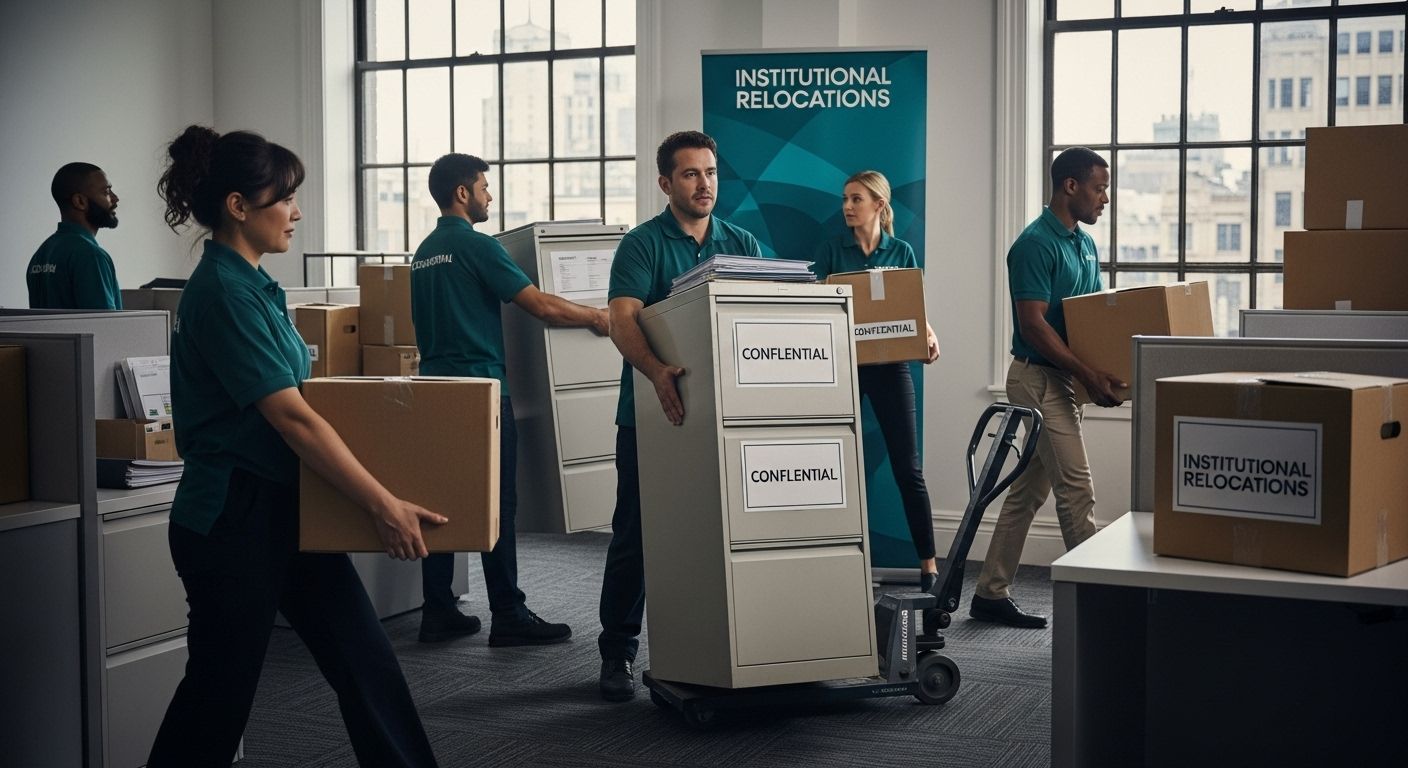
Understanding the diverse landscape of commercial moving reveals its critical importance across various sectors. Whether supporting a growing tech startup, facilitating a hospital expansion, or helping a government agency modernize its facilities, commercial moving services provide the essential infrastructure that enables organizational growth and transformation. Discover our comprehensive moving solutions designed to meet the unique challenges of different industries and institutional needs.
By recognizing the specialized nature of commercial moving, organizations can make informed decisions that protect their assets, minimize operational disruptions, and support seamless transitions into new operational spaces.
Commercial moving services represent a comprehensive suite of specialized solutions designed to address the complex relocation needs of businesses and organizations. These services go far beyond simple transportation, encompassing a strategic approach that ensures minimal operational disruption and maximum efficiency during transitions.
The foundation of effective commercial moving services lies in meticulous planning and logistics management. Professional moving companies develop detailed relocation strategies that map out every aspect of the move, from initial assessment to final implementation. According to logistics experts, this process involves creating comprehensive inventory systems, developing precise timeline schedules, and conducting thorough site assessments to anticipate potential challenges.
Key planning components include detailed equipment cataloging, risk assessment, and customized moving protocols tailored to each organization’s unique needs. This approach ensures that every asset is accounted for, protected, and transported with the highest level of care and precision. Advanced planning minimizes potential disruptions, allowing businesses to maintain operational continuity throughout the relocation process.
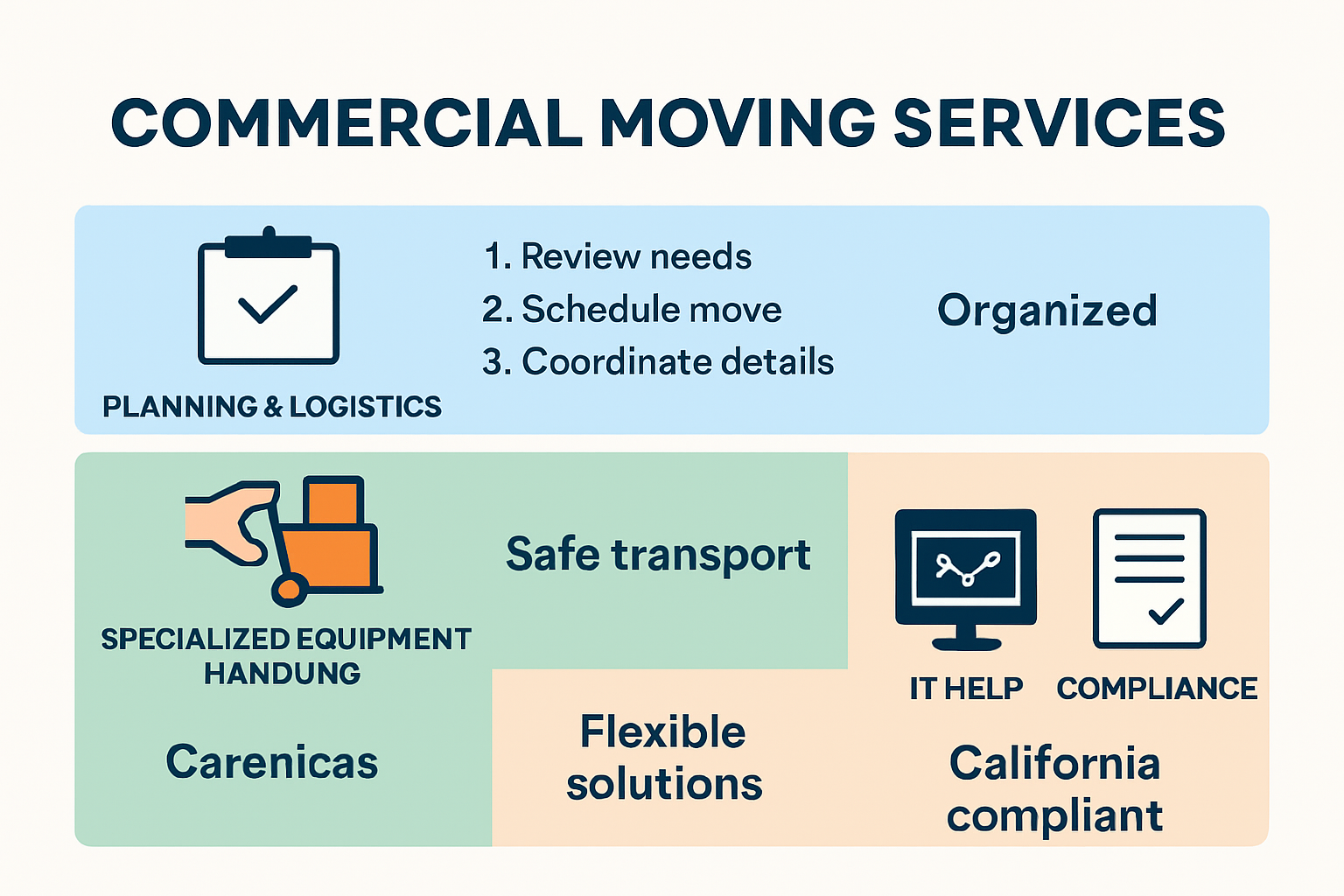
One of the most critical aspects of commercial moving services is the specialized handling of complex equipment and technological infrastructure. This requires advanced expertise in carefully disconnecting, packaging, transporting, and reinstalling sophisticated technological systems. Professional movers employ technicians with specific training in handling delicate electronic equipment, server infrastructure, and specialized machinery.
The process involves multiple intricate steps, including:
Research from technology logistics specialists highlights the importance of specialized handling, noting that improper management can result in significant financial losses and operational disruptions.
Beyond core moving operations, commercial moving services offer a range of additional support mechanisms that address the holistic needs of businesses during relocation. These services include storage solutions, equipment reconfiguration, workplace design consultation, and post-move support. Discover our comprehensive moving solutions that go beyond traditional moving services.
Additional support services often encompass:
Professional commercial moving services recognize that each organization has unique requirements. By offering flexible, comprehensive solutions, these services transform what could be a potentially stressful transition into a smooth, efficient process that supports business continuity and growth.
The true value of commercial moving services lies not just in transportation, but in providing a strategic partnership that enables organizations to navigate complex relocations with confidence and minimal disruption. From initial planning to final implementation, these services represent a critical support system for businesses seeking seamless operational transitions.
Selecting the right commercial mover is a critical decision that can significantly impact an organization’s operational continuity and asset protection. The process requires careful evaluation of multiple factors to ensure a smooth, efficient, and reliable relocation experience. According to the Federal Motor Carrier Safety Administration, choosing a reputable moving partner involves comprehensive research and strategic assessment.
The foundation of selecting a commercial mover begins with thorough credential verification. Organizations must prioritize movers with comprehensive professional certifications, valid transportation licenses, and proven industry experience. This includes examining the company’s U.S. Department of Transportation (DOT) number, which serves as an official verification of their legal authorization to provide moving services.
Selecting the right commercial mover involves several important steps to ensure compliance, reliability, and service quality. The following table breaks down the key credential verification steps mentioned in the selection process.
| Verification Step | Purpose/What to Check |
|---|---|
| DOT Number & Registration | Confirms legal authorization to provide commercial moving services |
| Professional Certifications | Ensures mover meets industry standards and best practices |
| Insurance Coverage & Liability Protection | Protects assets against damage, loss, or liability during move |
| Operational History & Experience | Demonstrates mover’s reliability and ability to handle complex jobs |
Key verification steps include:
Consumer Reports recommends obtaining multiple written estimates and conducting rigorous background checks to ensure the mover’s reliability and professional standing.
Beyond basic credentials, organizations must evaluate a commercial mover’s comprehensive service capabilities. This involves assessing their technological infrastructure, specialized equipment handling protocols, and ability to manage complex commercial relocations across different industries.
Critical service evaluation criteria include:
Professional movers should offer transparent consultations that demonstrate their understanding of an organization’s unique relocation challenges. Discover our comprehensive moving solutions designed to address complex commercial moving needs.
Effective commercial moving partners distinguish themselves through sophisticated risk management and compliance strategies. Organizations should seek movers who understand industry-specific regulatory requirements, provide comprehensive insurance coverage, and develop detailed contingency plans.
Risk management considerations include:
The right commercial mover transforms relocation from a potential operational challenge into a strategic opportunity for organizational growth. By conducting thorough research, verifying professional credentials, and assessing comprehensive service capabilities, businesses can select a moving partner that provides not just transportation, but a holistic relocation solution.
Ultimately, choosing a commercial mover is about finding a strategic partner who understands the intricate challenges of business relocation and can deliver a seamless, efficient transition that supports organizational objectives and minimizes potential disruptions.
Commercial moving refers to the specialized process of relocating business assets, which may include office equipment, furniture, and technology infrastructure, to a new location while minimizing operational disruptions.
Commercial moving involves more operational complexity, regulatory compliance, and specialized handling of equipment compared to residential moving, which typically involves fewer logistical challenges and simpler items.
Commercial moving services typically include comprehensive planning and logistics management, specialized handling of equipment and technology, and additional support such as storage solutions and workplace design consultations.
When selecting a commercial mover, it’s important to verify their credentials, assess their service capabilities, and understand their risk management and compliance strategies to ensure a smooth and efficient relocation.
Moving your business or organization in California is far from simple. Regulatory hurdles, technical equipment, and risk of extended downtime threaten every stage of commercial relocation. You need careful planning, compliance expertise, and proven solutions so nothing essential gets lost or delayed. At US Pro Logistics, we turn complex commercial moves into streamlined transitions by focusing on strategic logistics, asset protection, and business continuity—the exact priorities you read about in this guide. See how our experience in office, government, and specialized relocations can tackle these issues directly in our comprehensive solutions.

Ready to keep your team productive and your assets secure during your move? Contact US Pro Logistics for a tailored moving plan that puts your organization first. Request your quote now and benefit from our commitment to transparency and reliability—act today to secure your preferred dates and let our specialists guide you every step of the way.
USDOT 3664256 This number is required for any company that operates commercial vehicles in interstate commerce (across state lines). It helps identify and track the safety performance and compliance of transportation companies.
MC 1268070 This number is specifically for companies involved in the transportation of goods or passengers for hire across state lines. It’s necessary for carriers operating in the moving industry and ensures they are authorized to operate as interstate carriers.

