
Moving products from point A to point B is never as simple as it sounds and freight shipping sits at the heart of almost every supply chain. But get this. Transportation costs can eat up a surprisingly large portion of a product’s final price and that hits profits hard.
Most people think there’s only one or two ways to ship goods but the range of freight shipping options is way bigger and smarter than you might expect.
| Takeaway | Explanation |
|---|---|
| Road freight is highly flexible. | Trucks offer direct, adaptable transportation for various cargo sizes across different terrains. |
| Rail freight is cost-effective for bulk. | Ideal for long distances, rail shipping is cheaper for heavy goods and reduces carbon emissions. |
| Air freight is best for urgency. | For time-sensitive or high-value shipments, air freight provides the fastest delivery option. |
| Understanding documentation is crucial. | Accurate paperwork is essential for legal compliance, customs clearance, and tracking shipments effectively. |
| Evaluate cargo requirements carefully. | Assess weight, fragility, and environmental needs to choose the suitable shipping method for your goods. |
Freight shipping represents a complex and diverse system of transporting goods across various distances and terrains. Understanding the different types of freight shipping is crucial for businesses, manufacturers, and individuals who need to move products efficiently and cost-effectively.
Road freight remains the most flexible and widespread method of shipping goods. Trucks and commercial vehicles enable direct point-to-point transportation, offering unparalleled accessibility across urban and rural landscapes. According to the National Academies Press, road freight provides several key advantages:
Commercial trucks ranging from small delivery vans to large semi-trailers can accommodate diverse shipping needs, making road freight a versatile option for many businesses.
Rail freight shipping offers significant benefits for long-distance transportation, particularly for heavy and bulk cargo. This method provides a more environmentally friendly and cost-effective solution for moving large quantities of goods across extensive geographical areas. Intermodal shipping combines multiple transportation modes, allowing seamless transfers between trucks, trains, and sometimes ships.
Key characteristics of rail freight include:
For time-sensitive and high-value shipments, air freight provides the fastest transportation method. Specialized freight services cater to unique cargo requirements such as temperature-controlled shipments, hazardous materials, or oversized equipment. These services ensure that complex shipping needs are met with precision and care.
Air freight is particularly beneficial for:
By understanding these different types of freight shipping, businesses and individuals can make informed decisions about the most appropriate transportation method for their specific needs.
To help you compare the main types of freight shipping discussed in this article, the following table summarizes their key characteristics, typical use cases, and major advantages. This overview makes it easy to identify which shipping mode may best suit your needs.
| Shipping Mode | Key Characteristics | Ideal Use Cases | Major Advantages |
|---|---|---|---|
| Road Freight | Highly flexible, direct routes, adaptable to cargo sizes | Domestic shipments, last-mile, varied cargo | Door-to-door service, accessibility, speed |
| Rail Freight | Cost-effective for bulk, long distances | Heavy goods, bulk commodities | Lower costs, reduced emissions, high capacity |
| Air Freight | Fastest transit, specialized handling available | Urgent, high-value, perishable goods | Speed, reliability for time-sensitive shipments |
| Maritime Shipping | Suitable for large volumes, global coverage | International, large cargo volumes | Lowest cost for international long-haul shipping |
| Intermodal | Combines modes, seamless transfers | Long distances, efficiency-focused | Flexibility, optimized cost and transit timelines |
Freight shipping is more than just moving goods from one point to another. It represents a critical component of global commerce, economic sustainability, and operational efficiency. Businesses and individuals who comprehend the nuances of freight shipping can make strategic decisions that significantly impact their bottom line and logistical performance.
Understanding freight shipping provides substantial economic advantages. Companies that strategically analyze their shipping methods can reduce operational costs, improve supply chain reliability, and enhance overall business competitiveness. According to the Federal Highway Administration, transportation costs can represent a significant percentage of a product’s final price, making efficient shipping crucial for maintaining competitive market positioning.
Key economic considerations include:
Freight shipping plays a pivotal role in environmental sustainability. Different shipping modes have varying carbon footprints, and informed choices can help organizations reduce their ecological impact. Selecting the most environmentally appropriate transportation method becomes a critical strategic decision for businesses committed to sustainable practices.
Environmental factors to consider:
Comprehensive understanding of freight shipping enables better risk management and operational planning. By knowing the strengths and limitations of various shipping methods, businesses can develop robust logistics strategies that mitigate potential disruptions. Learn more about logistics optimization to enhance your shipping strategies.
Operational efficiency involves:
Ultimately, freight shipping knowledge transforms logistics from a mere operational necessity into a strategic business advantage. By investing time in understanding these complex systems, businesses and individuals can make informed decisions that drive efficiency, reduce costs, and support sustainable growth.
Freight shipping represents a sophisticated logistics system that transforms raw transportation capabilities into a complex network of goods movement. Understanding the fundamental mechanics of this process enables businesses and individuals to navigate shipping challenges more effectively and make strategic transportation decisions.
The freight shipping ecosystem involves multiple interconnected participants working seamlessly to transport goods efficiently. According to the National Academies Press, this system comprises shippers, carriers, freight forwarders, and various transportation modes that collaborate to move cargo across different geographical landscapes.
Key ecosystem participants include:
Accurate documentation forms the backbone of successful freight shipping. Each shipment requires precise paperwork that tracks cargo origin, destination, contents, value, and transportation requirements. Shipping documentation serves multiple critical functions, including legal compliance, customs clearance, and cargo tracking.
Essential shipping documents typically involve:
Modern freight shipping leverages advanced technological platforms to enhance transparency, efficiency, and reliability. Real-time tracking systems enable shippers and recipients to monitor cargo movement, predict delivery timelines, and manage potential logistical challenges. Explore our logistics optimization strategies to understand how technology transforms shipping processes.
Technological innovations in freight shipping include:
By comprehending these fundamental aspects of freight shipping, businesses can develop more robust, efficient, and adaptable transportation strategies that meet evolving global commerce demands.
Freight shipping involves a complex language of specialized terminology that helps professionals communicate precise logistics requirements. Understanding these key concepts enables more effective communication, strategic planning, and operational efficiency across the transportation ecosystem.
The foundational vocabulary of freight shipping encompasses a range of technical terms that define how goods are transported, classified, and managed. According to the International Road Transport Union, mastering these terms is crucial for navigating the intricate world of logistics.
Essential shipping terms include:
Shipping classification determines how different types of cargo are handled, priced, and transported. Understanding these classifications helps businesses optimize their shipping strategies and manage transportation costs effectively. Dimensional weight and freight class are critical concepts that directly impact shipping expenses.
Key classification factors include:
Shipping modes and associated pricing mechanisms represent another crucial area of freight shipping terminology. Explore our comprehensive logistics optimization guide to understand how these concepts impact overall transportation strategy.
Important shipping pricing and mode concepts include:
By comprehending these key concepts and terms, businesses and individuals can communicate more effectively, make informed shipping decisions, and develop more strategic logistics approaches.
Understanding common freight shipping terminology is essential for navigating logistics and making informed decisions. The following table organizes some key terms and their explanations as mentioned in the article.
| Term | Definition |
|---|---|
| Freight | Goods or cargo transported for commercial purposes |
| Consignor | The party sending the shipment |
| Consignee | The recipient of the shipped goods |
| Cargo | The actual goods being transported |
| Manifest | A detailed list of cargo being shipped |
| Less Than Truckload (LTL) | Shipping smaller cargo quantities |
| Full Truckload (FTL) | Dedicated truck for a single shipment |
| Intermodal | Combining multiple transportation methods |
| Spot rates | Current market pricing for immediate shipments |
| Contract rates | Predetermined pricing for ongoing shipping needs |
Selecting the appropriate freight shipping method is a strategic decision that directly impacts cost, efficiency, and overall logistics performance. The ideal shipping approach depends on multiple factors, including cargo characteristics, destination, timeline, and budget constraints.
Understanding your specific cargo characteristics is the first critical step in choosing the right shipping method. According to the U.S. Department of Transportation, different cargo types demand unique transportation considerations.
Key cargo assessment factors include:
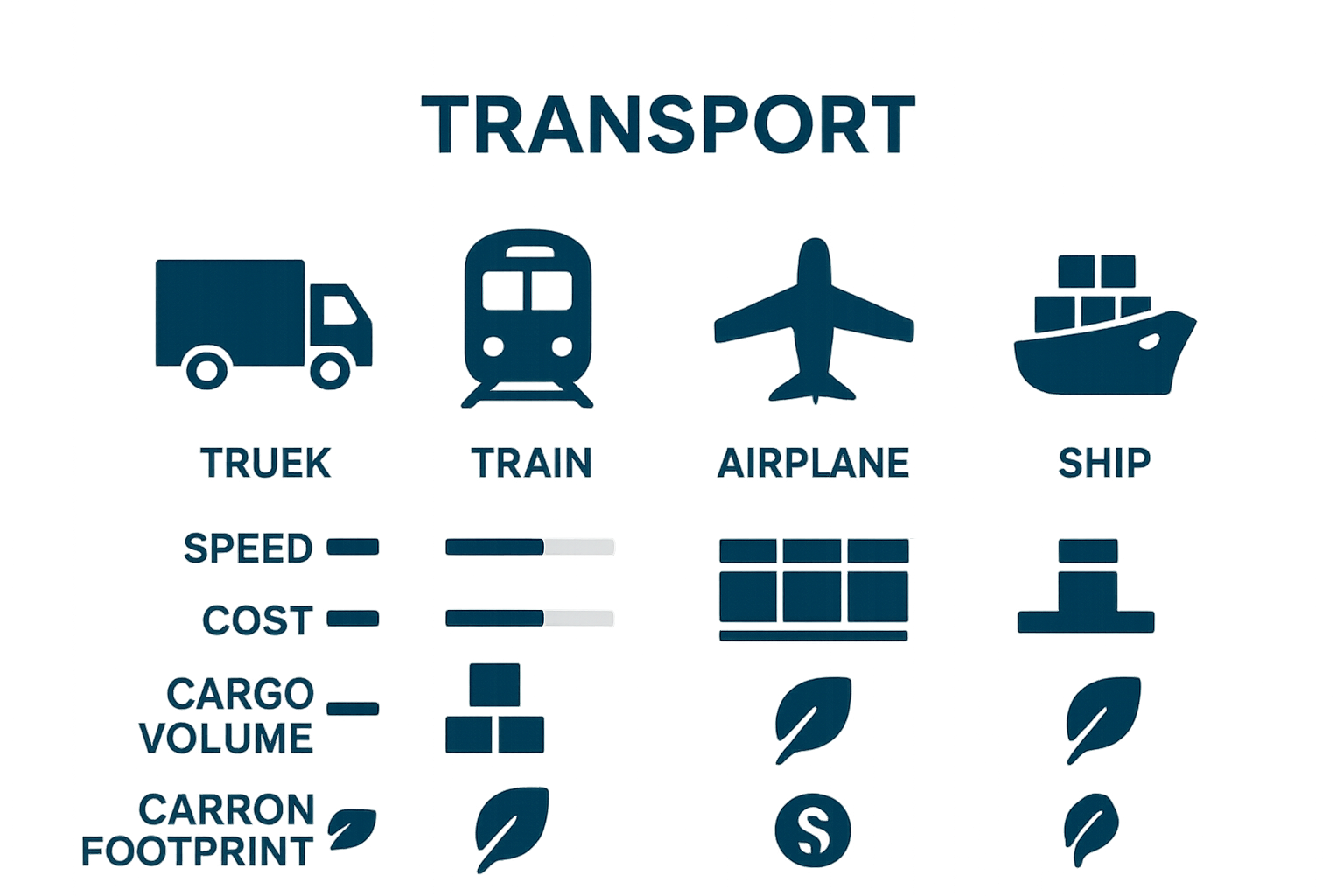
Strategic mode selection involves balancing speed, cost, and reliability. Each transportation mode offers distinct advantages and limitations. Comprehensive logistics planning requires carefully weighing these factors to optimize your shipping strategy.
Comparative transportation mode characteristics:
Beyond cargo specifications, shipping decisions hinge on budgetary constraints and delivery timelines. Explore our comprehensive logistics optimization strategies to refine your shipping approach.
Critical cost and timing factors include:
By methodically evaluating these elements, businesses and individuals can select the most appropriate freight shipping method that balances efficiency, cost-effectiveness, and reliability.

Choosing the right kind of freight shipping can feel overwhelming, especially when you need to balance timing, cargo type, and budget. If you are struggling to find a solution that fits the unique demands outlined in this article, such as understanding freight classes, selecting between road or intermodal shipping, or handling sensitive cargo, you are not alone. Many businesses face high costs, delays, or confusion because they lack a trusted logistics partner who knows how to handle every shipping need from start to finish.

Stop worrying about hidden costs, unclear documentation, or missed deadlines. At US Pro Logistics, our expert team translates logistics knowledge into stress-free shipping. Whether you need local freight delivery, nationwide relocation, or specialized handling for fragile or valuable items, we promise precise coordination and real-time updates. Visit US Pro Logistics to see how our freight shipping services can help you move smarter. Book your tailored solution now and experience the secure, transparent support you deserve.
The main types of freight shipping include road freight, rail freight, air freight, maritime shipping, and intermodal transportation. Each method has its advantages depending on factors such as cargo type, distance, and delivery speed.
Choosing the right freight shipping method involves assessing your cargo requirements, evaluating transportation modes, and considering cost and timing factors. Analyze characteristics like weight, fragility, temperature sensitivity, and your budget to make an informed decision.
Freight shipping costs are influenced by several factors, including cargo weight and dimensions, distance between the origin and destination, shipping speed requirements, and regulatory or customs-related considerations.
Understanding freight shipping helps businesses reduce operational costs, improve supply chain reliability, enhance competitiveness, and make more strategic logistics decisions. A thorough grasp of the shipping process can lead to increased efficiency and sustainability.
USDOT 3664256 This number is required for any company that operates commercial vehicles in interstate commerce (across state lines). It helps identify and track the safety performance and compliance of transportation companies.
MC 1268070 This number is specifically for companies involved in the transportation of goods or passengers for hire across state lines. It’s necessary for carriers operating in the moving industry and ensures they are authorized to operate as interstate carriers.

