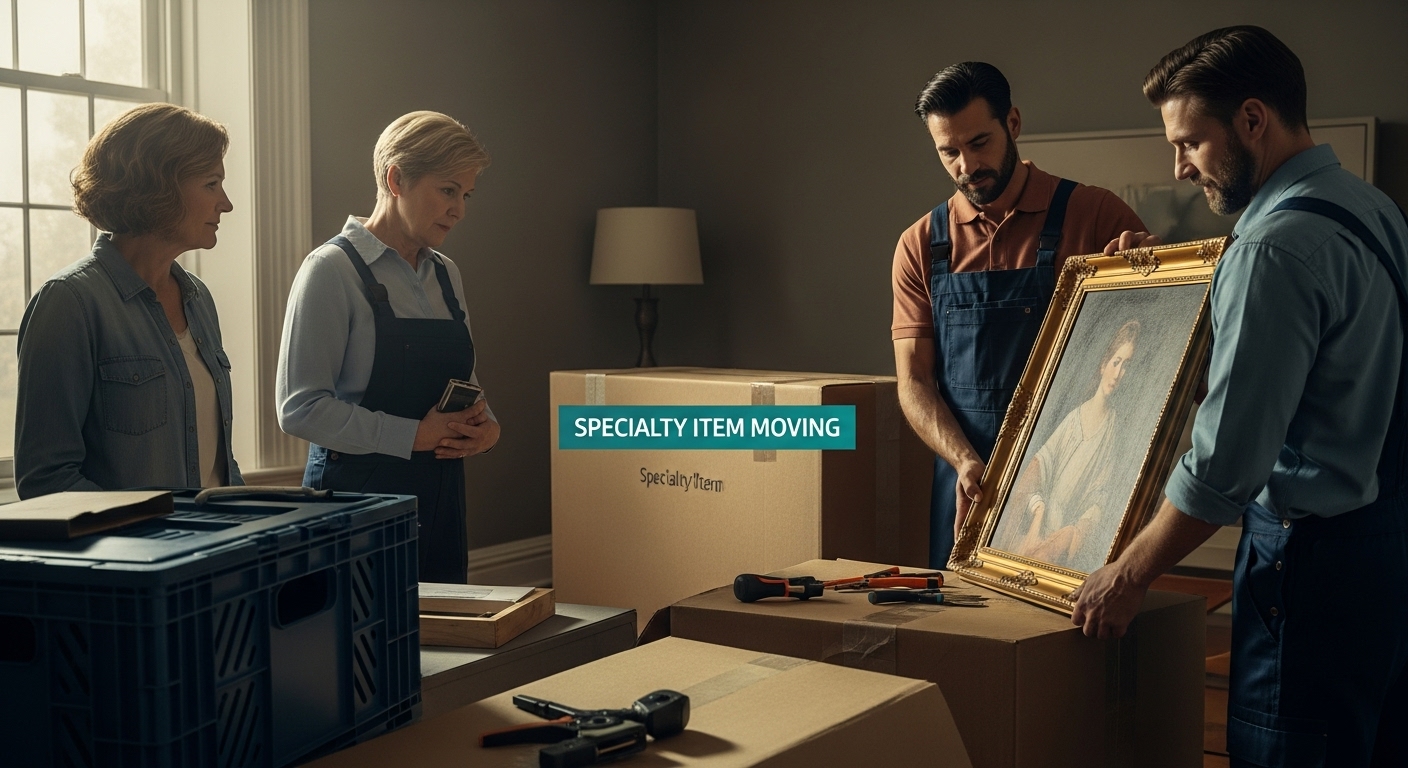
Moving a centuries-old painting or a delicate piece of scientific equipment is nothing like packing up a pile of boxes. Some of these items can lose millions of dollars in value from a single mistake or temperature change. People often think the most important part is simply getting things from point A to point B. In reality, specialty item moving is all about protecting unique stories and irreplaceable history every step of the way.
| Takeaway | Explanation |
|---|---|
| Specialty moving protects irreplaceable items. | This service safeguards valuable or fragile objects during transportation, emphasizing the importance of recovery and preservation. |
| Custom strategies ensure optimal protection. | Tailored assessment and packing methods address unique vulnerabilities and environmental sensitivities of each item being moved. |
| Professional movers use advanced technologies. | Expertise in logistics combines with innovative technologies to create effective strategies for safe transport of delicate items. |
| Diverse sectors rely on specialty moving. | Industries like museums, healthcare, and research institutions require expert handling for items of high historical or scientific significance. |
| Documentation is critical in specialty moving. | Keeping detailed records and tracking provenance helps maintain the integrity and value of cultural or personal heritage items. |
Specialty item moving represents a highly specialized logistics service designed to transport fragile, valuable, or uniquely complex objects that require extraordinary care and precision during relocation. Unlike standard moving services, specialty item moving focuses on protecting items that cannot be replaced or are extremely sensitive to handling, transportation conditions, and environmental changes.
Specialty item moving encompasses transporting objects that demand meticulous planning, custom equipment, and expert knowledge. These items might include:
Professional movers specialized in these relocations understand that each item represents more than just a physical object. They recognize the historical, scientific, monetary, or sentimental value embedded within these items.
According to Library of Congress preservation guidelines, specialty item moving requires comprehensive risk assessment and customized handling strategies. Professional movers develop detailed transportation protocols that consider factors like:
The core objective of specialty item moving extends beyond simple transportation. It represents a commitment to preserving integrity, maintaining historical significance, and ensuring that irreplaceable objects reach their destination without compromise.
To clarify the characteristics that differentiate specialty item moving from standard moving services, this table highlights the main features and specialized considerations involved in each approach.
| Feature | Standard Moving | Specialty Item Moving |
|---|---|---|
| Type of Items Handled | General household goods | Fragile, valuable, or complex objects |
| Risk Management Approach | Basic protection, less planning | Comprehensive risk assessment and planning |
| Packing Materials | Standard boxes, packing paper | Custom cushioning, climate-controlled crates |
| Environmental Controls | Minimal | Temperature and humidity regulation |
| Documentation and Tracking | Standard inventory | Detailed records and provenance tracking |
| Use of Technology and Equipment | Basic moving tools | Advanced handling and transportation technology |
| Sectors Served | Residential, commercial | Museums, healthcare, labs, historical archives |
| Whether transporting a centuries-old painting, delicate scientific equipment, or a family heirloom with deep emotional significance, these specialized moving services provide peace of mind through their meticulous approach and unwavering dedication to item protection. |
Specialty item moving serves critical functions across multiple professional and personal domains, addressing unique transportation challenges that standard moving services cannot effectively manage. This specialized approach ensures the safe and precise relocation of objects with extraordinary value, complexity, and vulnerability.
The necessity for specialty item moving spans numerous sectors, each presenting distinct requirements and potential risks. Professional environments like museums, research institutions, medical facilities, and technological enterprises rely on these specialized services to protect their most critical assets.
Key Professional Sectors Utilizing Specialty Moving:
According to Smithsonian Institution conservation guidelines, specialized moving represents more than transportation logistics. It embodies a comprehensive risk management strategy that protects irreplaceable cultural and intellectual resources. Each relocation involves intricate planning to minimize potential damage, considering factors like environmental sensitivity, structural fragility, and historical significance.
In scientific contexts, specialty moving becomes crucial when transporting precision instruments that can be disrupted by minute vibrations or temperature fluctuations. Medical facilities require similar meticulousness when relocating expensive diagnostic equipment or sensitive biological samples. For technological enterprises, the potential financial and operational consequences of equipment damage make specialized moving an essential investment.
Beyond professional applications, specialty item moving also plays a significant role in personal contexts. Family heirlooms, rare collectibles, and antique furniture often carry immense sentimental and monetary value that cannot be replicated. Specialty movers provide peace of mind by implementing custom protection strategies that preserve these treasured possessions through careful handling and transportation.
Specialty item moving involves a sophisticated, multi-stage approach that transforms traditional transportation methods into a precise, scientifically informed process. Unlike standard moving services, this specialized approach integrates advanced technologies, comprehensive risk assessment, and customized handling techniques to protect extraordinarily sensitive or valuable objects.
The specialty moving process begins with an exhaustive preliminary evaluation that goes far beyond standard inventory checks. Professional movers conduct detailed item-specific risk assessments that analyze:
This meticulous initial analysis allows moving specialists to develop a tailored protection strategy for each unique item, considering its individual characteristics and potential transportation risks.
According to National Archives preservation research, specialized packing represents a critical intervention that can prevent irreversible damage. Professional movers utilize advanced materials and techniques that provide multi-layered protection:
These sophisticated packing approaches transform transportation from a potential risk into a carefully managed, scientifically controlled process. Each packing solution is engineered to address the specific structural and environmental needs of the item being transported.
The ultimate goal of specialty item moving transcends mere transportation. It represents a comprehensive preservation strategy that combines expert knowledge, technological innovation, and meticulous attention to detail. By treating each item as a unique entity with its own set of requirements, specialty movers ensure that irreplaceable objects arrive at their destination not just intact, but in precisely the same condition as when they began their journey.
To help readers understand the main stages of the specialty item moving process, the following table summarizes the step-by-step strategies discussed in the article.
| Stage | Description |
|---|---|
| Pre-Move Assessment | Comprehensive evaluation of each item[NULL]27s vulnerabilities and special requirements |
| Risk Analysis | Identifying and analyzing environmental, structural, and transit risks |
| Protection Strategy Design | Development of customized plans for packing, handling, and transportation |
| Advanced Packing | Use of specialized materials and techniques to safeguard item integrity |
| Climate-Control Solutions | Application of temperature and humidity controls as needed |
| Transportation Execution | Careful movement using appropriate vehicles and expert protocols |
| Documentation and Tracking | Meticulous record-keeping and monitoring of items throughout the process |
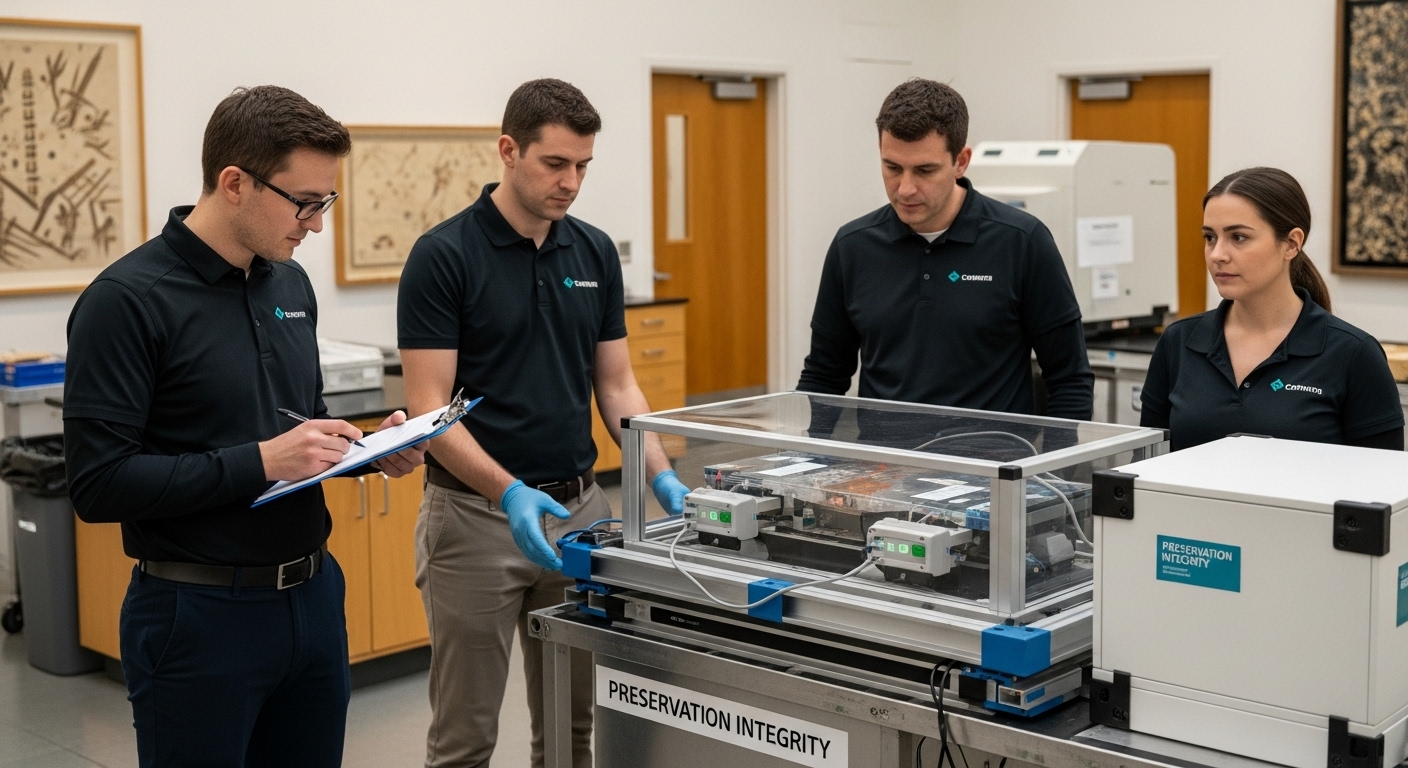
Specialty item moving represents a sophisticated discipline that goes far beyond traditional transportation methodologies. It requires a comprehensive understanding of complex interdisciplinary principles that merge scientific precision, conservation techniques, and logistical expertise to safeguard objects of exceptional value and sensitivity.
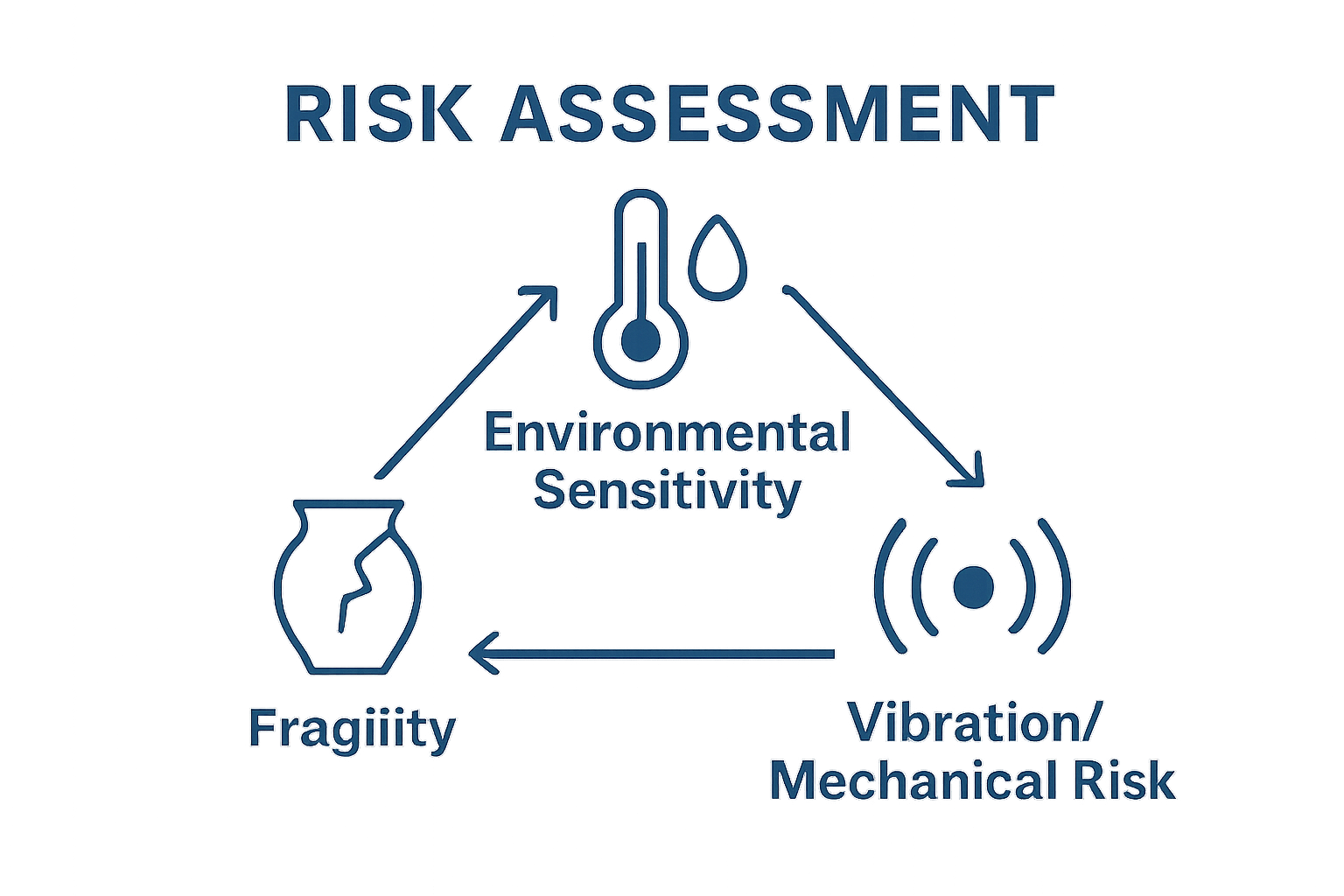
At the core of specialty item moving are critical risk management strategies that anticipate and mitigate potential transportation challenges. These strategies involve a holistic approach to understanding an item’s unique vulnerabilities and developing tailored protection protocols.
Primary Risk Assessment Factors:
Professional movers must evaluate each item as a complex system with intrinsic characteristics that demand specialized handling and transportation strategies.
According to Smithsonian Institution conservation research, effective specialty item moving transcends physical transportation. It represents a nuanced preservation intervention that requires deep understanding of material science, conservation principles, and risk mitigation techniques.
The preservation approach involves multiple interconnected considerations. Technical expertise must be combined with meticulous planning to ensure that each item receives customized protection aligned with its specific composition, historical significance, and inherent fragility.
Beyond physical protection, specialty item moving also encompasses detailed documentation, provenance tracking, and comprehensive insurance strategies. Professional movers become custodians of cultural, scientific, and personal heritage, responsible for maintaining the integrity of items that often represent irreplaceable historical or emotional value.
By integrating advanced technological solutions, scientific understanding, and precision handling techniques, specialty item moving transforms transportation from a potential risk into a carefully orchestrated preservation process. The ultimate goal remains consistent: delivering items not just safely, but in a condition that honors their unique significance and intrinsic value.
When it comes to moving irreplaceable objects like antiques, artwork, or sensitive equipment, standard moving solutions are simply not enough. The article above highlights the risks involved with transporting specialty items and the level of care, planning, and custom protection they demand. If you are worried about damage, loss, or stress during your next complex move, US Pro Logistics is ready to solve these challenges with precision and expertise. Explore our specialized services through our service category portal for more insight into our comprehensive support.
Protect what matters most and experience peace of mind. Let US Pro Logistics design a tailored moving solution that treats your valuable items with the dedication they deserve. Start your secure relocation today by visiting US Pro Logistics and discover how easy specialty item moving can be when you have the right partner.
Specialty item moving is a specialized logistics service focused on transporting fragile, valuable, or complex objects that require extra care and precision during relocation.
It is important because it addresses the unique challenges of relocating items that are irreplaceable or sensitive to environmental changes, ensuring their safe and intact arrival at their destination.
Items that typically require specialty moving services include antique furniture, fine art, medical equipment, historical artifacts, and sensitive electronic systems.
Common strategies include pre-move assessments, advanced packing techniques with custom materials, climate-controlled transportation, and meticulous documentation to ensure the safe relocation of sensitive items.
USDOT 3664256 This number is required for any company that operates commercial vehicles in interstate commerce (across state lines). It helps identify and track the safety performance and compliance of transportation companies.
MC 1268070 This number is specifically for companies involved in the transportation of goods or passengers for hire across state lines. It’s necessary for carriers operating in the moving industry and ensures they are authorized to operate as interstate carriers.

