
Did you know that more than 1.6 million Americans rely on temporary housing each year after natural disasters or sudden relocations? The right temporary housing can be a lifeline during tough transitions, offering safety and stability when permanent options are out of reach. From furnished rentals to emergency shelters, understanding these choices helps you make smart decisions that fit your needs and protect your peace of mind.
| Point | Details |
|---|---|
| Definition of Temporary Housing | Temporary housing is a transitional solution for those facing displacement, defined by HUD regulations as housing of a temporary character, including trailers and mobile homes. |
| Diverse Options Available | Various types of temporary housing cater to specific needs, including corporate housing, emergency shelters, and transitional facilities, each with its unique features and suitability. |
| Legal and Safety Compliance | Understanding the legal requirements for temporary housing is essential to ensure tenant rights are protected and safety standards are met. |
| Financial Challenges and Risks | Potential hidden costs and risks can arise in temporary housing; tenants should budget carefully and plan for the transition to permanent housing. |
Temporary housing represents a critical transitional living solution for individuals experiencing displacement, relocation, or unexpected life transitions. Temporary housing is legally defined under 42 USC § 1590(b) as housing determined to be “of a temporary character” and falling under HUD jurisdiction, which can include trailers, mobile homes, and portable housing units designed for short term occupancy.
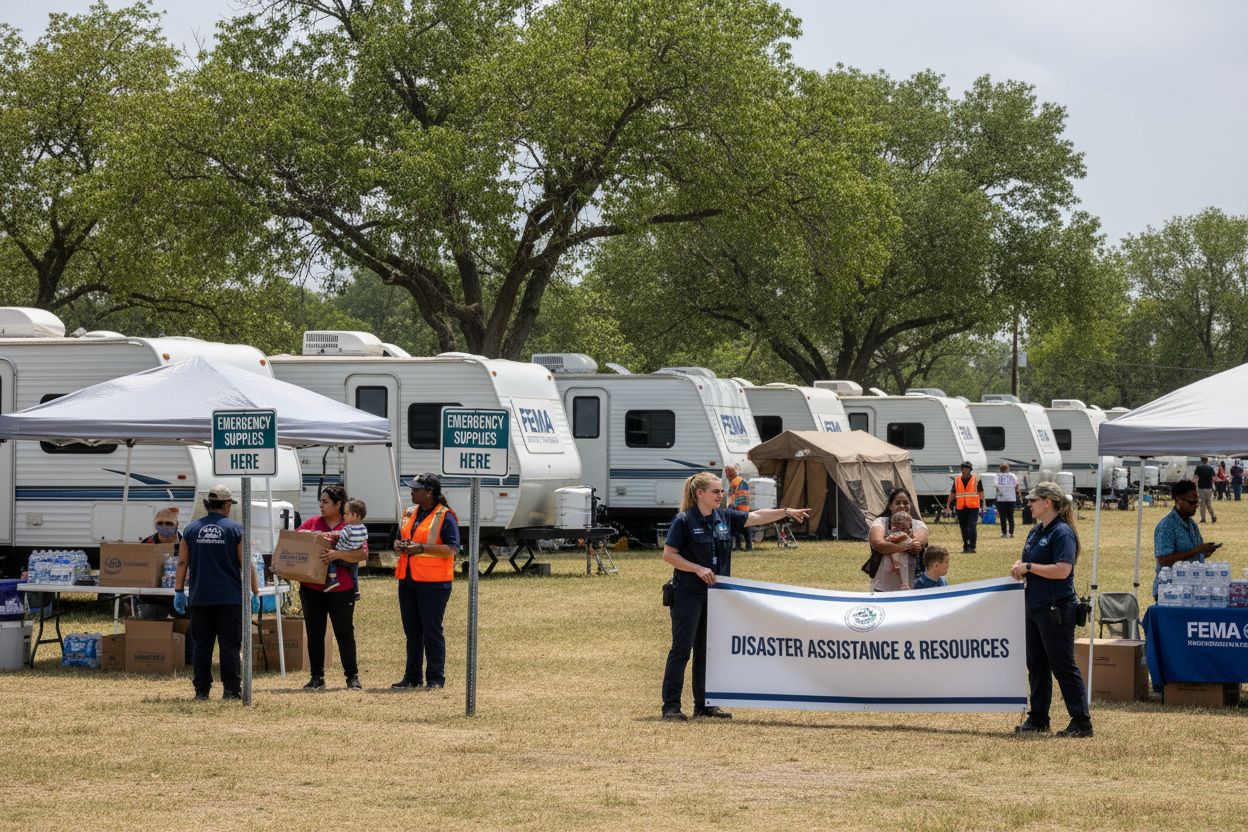
These housing solutions serve multiple purposes across different scenarios. For disaster survivors, organizations like FEMA provide specialized temporary housing trailers that offer more durable shelter compared to traditional tents. According to FEMA documentation, these manufactured housing units provide intermediate-term shelter while residents work towards securing permanent housing solutions after emergencies such as natural disasters or significant community disruptions.
Temporary housing options typically encompass several key categories:
While exploring temporary housing solutions, it’s crucial to understand the specific needs driving your search. Understanding Temporary Storage Options can complement your housing strategy, especially during transitions like relocations or renovations. Each temporary housing type offers unique advantages depending on duration, budget, and personal requirements.
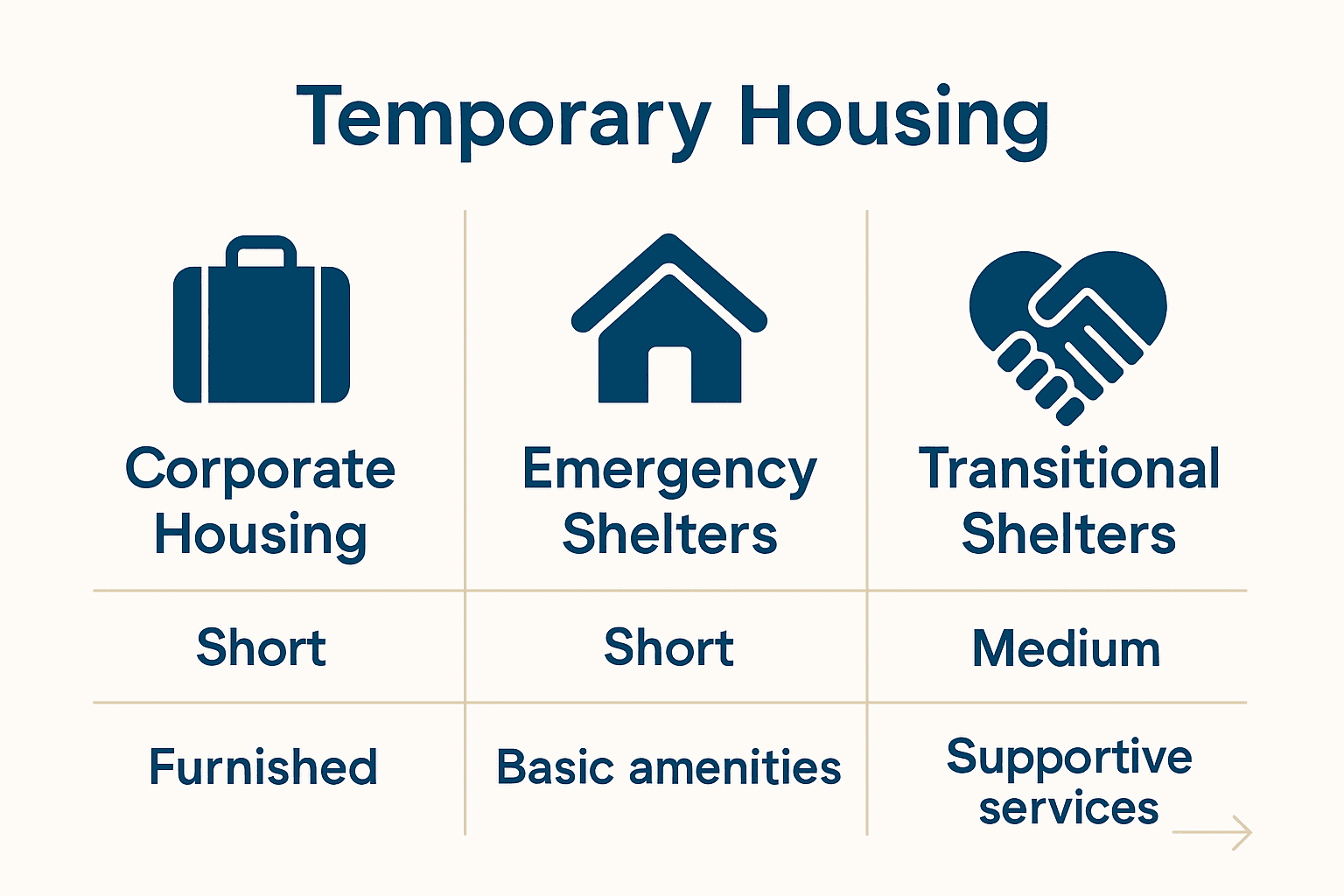
Temporary housing solutions in the United States offer diverse options designed to meet varying needs during transitional periods. According to research on transitional shelters, these housing arrangements can provide support services and accommodations ranging from several months up to two years, helping individuals and families navigate challenging life circumstances.
Emergency shelters represent one critical category of temporary housing. According to Wikipedia, these facilities offer immediate short-term housing for individuals unable to remain in their previous residence. This can include disaster survivors, people fleeing domestic violence, or those experiencing sudden housing insecurity. Emergency shelters typically utilize temporary structures or repurposed buildings to provide rapid, immediate accommodation.
The primary types of temporary housing solutions include:
Here’s a comparison of the main types of temporary housing solutions and their key attributes:
| Housing Type | Typical Duration | Ideal For | Notable Features |
|---|---|---|---|
| Corporate Housing | Weeks to months | Professionals, relocated workers | Furnished, private, flexible terms |
| Extended Stay Hotels | Days to months | Travelers, short-term contractors | Kitchenettes, housekeeping |
| Transitional Shelters | Months to 2 years | Individuals needing support | Support services, case management |
| Emergency Shelters | Days to weeks | Crisis, disaster, homelessness | Immediate, basic, rapid access |
| Govt-Sponsored Housing | Weeks to months | Disaster survivors, vulnerable | Subsidized, temporary structures |
| University Housing | Semesters to years | Students, visiting academics | Campus-based, amenities included |
| Short-Term Furnished Rentals | Weeks to months | Families, remodelers, relocations | Flexible leases, furnished units |
Understanding Temporary Storage Options can further enhance your temporary housing strategy, providing additional insights into managing personal belongings during transitions. Each housing type offers unique benefits tailored to specific personal, professional, or emergency needs.
Temporary housing solutions are not one-size-fits-all, requiring careful consideration of individual circumstances and specific needs. The suitability of a housing option depends on factors like duration, budget, personal situation, and immediate requirements.
According to research on transitional housing, these specialized accommodations do more than provide a roof. Typically, they offer comprehensive support services such as case management and job training, with stays ranging from several months to two years. This approach is particularly beneficial for working homeless individuals or families seeking a structured path to permanent housing.
Key features vary across different temporary housing types:
Understanding Temporary Storage Options can provide additional context for managing personal belongings during these transitional periods. Each housing type offers unique advantages, making it essential to match your specific situation with the most appropriate temporary housing solution.
Temporary housing regulations involve complex legal frameworks designed to protect both tenants and property owners. These requirements vary significantly depending on the type of housing, location, and specific emergency circumstances, making it crucial for tenants to understand their rights and obligations.
According to FEMA’s regulations (44 CFR § 9.13), temporary housing units are subject to strict safety and environmental guidelines. For instance, these units cannot be placed in floodways or high-hazard areas and must be properly elevated and anchored. Additionally, local jurisdictions often impose specific requirements. In San Francisco, interim housing such as converted hotels or motels must provide on-site supportive services and can only be authorized during designated emergency periods.
Key legal considerations for temporary housing tenants include:
Understanding Temporary Storage Options can help tenants navigate the additional logistical challenges of temporary housing. Ultimately, being informed about legal requirements ensures a safer, more secure temporary living experience.
Temporary housing comes with complex financial and logistical challenges that can catch many individuals off guard. Understanding the potential pitfalls is crucial to managing expectations and minimizing unexpected expenses during transitional periods.
According to research on transitional housing, these arrangements can create financial complexities. While typically cheaper than emergency shelters, the added support services can make them more expensive than permanent housing. There’s a subtle risk of becoming dependent on temporary services, potentially delaying long-term stability. Specifically, FEMA trailers present unique maintenance challenges—they are often flimsy, poorly insulated, and susceptible to wind movement, requiring occupants to perform regular maintenance tasks that can lead to additional safety and comfort risks.
Common mistakes and risks to avoid include:
Understanding Temporary Storage Options can help you navigate the financial complexities of temporary housing. By anticipating potential challenges and planning strategically, you can minimize risks and make the most of your temporary housing experience.
Making sense of temporary housing options can feel overwhelming, especially when you need safe storage for your belongings or reliable help moving between locations. Common pain points that come up include dealing with hidden costs, managing personal property during transitions, and trying to avoid mistakes that lead to more stress or expenses. This guide highlighted issues like poorly insulated FEMA trailers, the importance of understanding service limitations, and why proper planning is key. But the next step is making sure your transition is smooth, whether you are relocating for work, recovering from a disaster, or waiting for permanent housing.
Turn challenging transitions into easier experiences with help from US Pro Logistics. Our proven moving and logistics team specializes in moves of all sizes throughout California and across the United States. We offer secure storage solutions that fit perfectly with short-term living needs. Our experienced coordinators guide you through every phase, focusing on your unique circumstances and helping avoid common mistakes mentioned in our Complete Guide to Temporary Housing Options USA. Request a personalized quote with US Pro Logistics today. Get the expert support you deserve while making your temporary housing journey less stressful and more successful.
Temporary housing refers to living solutions designed for short-term occupancy, often used by individuals or families facing displacement, relocation, or emergencies. This can include types of accommodation like corporate housing, extended stay hotels, and emergency shelters.
Temporary housing options include corporate housing apartments, extended stay hotels, furnished short-term rentals, emergency shelters, government-sponsored housing, transitional shelters, and university housing.
The duration of stay in temporary housing varies by type. For example, corporate housing and extended stay hotels typically allow stays from weeks to months, while transitional shelters may support individuals for several months up to two years.
Tenants in temporary housing have legal rights such as clear lease agreements, compliance with safety standards, protection against arbitrary eviction, and the right to access any promised supportive services. It’s important to understand local regulations and requirements for temporary housing.
USDOT 3664256 This number is required for any company that operates commercial vehicles in interstate commerce (across state lines). It helps identify and track the safety performance and compliance of transportation companies.
MC 1268070 This number is specifically for companies involved in the transportation of goods or passengers for hire across state lines. It’s necessary for carriers operating in the moving industry and ensures they are authorized to operate as interstate carriers.

