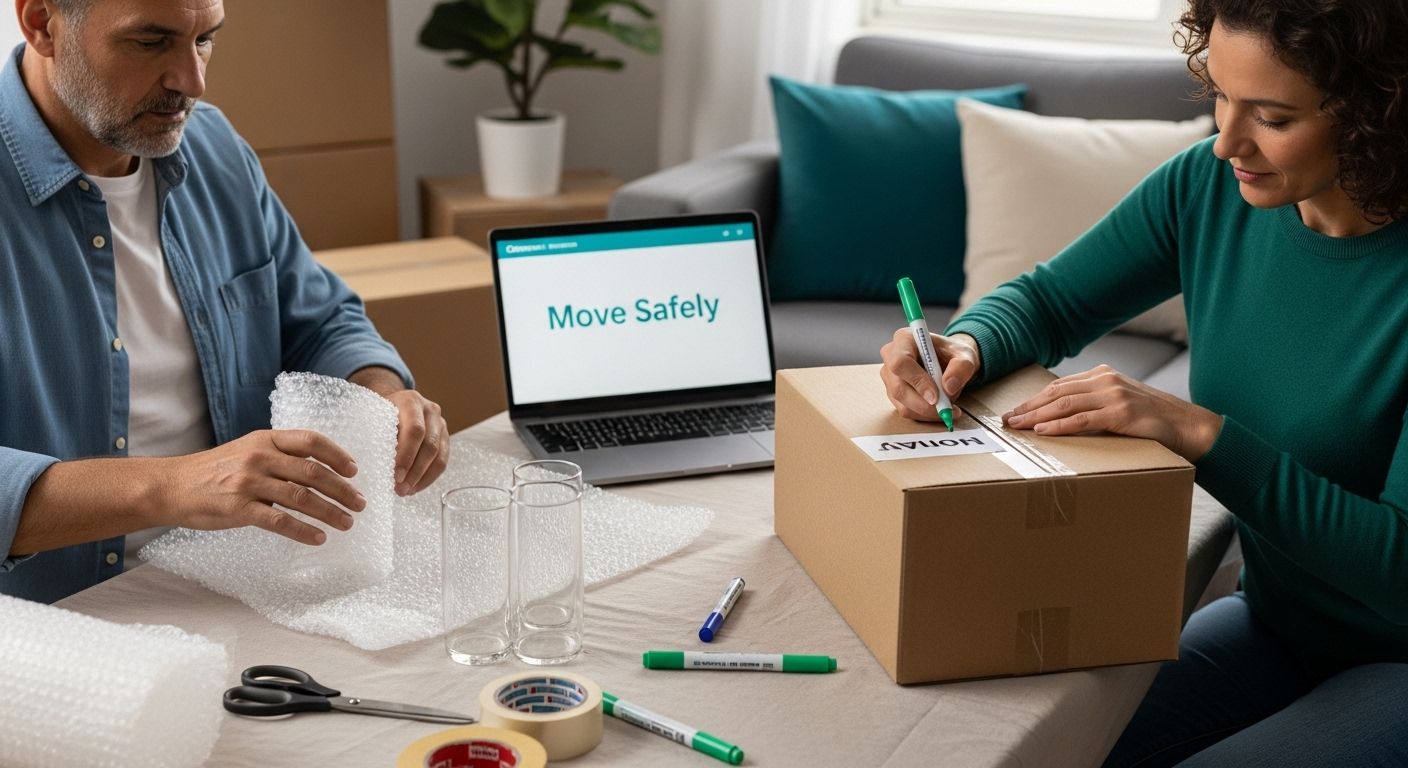
Moving to a new home is one of those events that can either feel like a fresh start or a chaotic nightmare. Most people expect the struggle to come from the heavy lifting and hauling boxes. But the most surprising source of stress is actually hidden in the very first step: over 60 percent of moving problems come from poor planning right at the beginning. Knowing how to start makes all the difference between total frustration and a seamless move you can actually enjoy.
Here is a step-by-step overview of the entire moving process with a summary of each stage, suggested timeline, and key outcome for each step to help you plan effectively.
| Step | Description | Suggested Timeline | Key Outcome |
|---|---|---|---|
| 1. Assess Situation | Evaluate and inventory belongings, categorize items, assess needs | 8 weeks before move | Clear understanding of what and how to move |
| 2. Plan Strategically | Create a moving plan, establish budget, develop a timeline | 7-8 weeks before move | Structured roadmap and budget control |
| 3. Gather Supplies | Obtain boxes, packing materials, specialty containers, and emergency kit | 6-7 weeks before move | All packing tools and materials prepared |
| 4. Pack Securely | Methodically organize and protect belongings, label boxes | 4-6 weeks before move | Items packed safely and labeled clearly |
| 5. Execute Move | Use proper lifting techniques, coordinate loading, focus on safety | Moving day | Successful loading and safe item transfer |
| 6. Verify & Unpack | Check inventory, report losses, unpack essentials by room | Immediately after move | Smooth transition and quick settlement |
| Key Point | Explanation |
|---|---|
| 1. Conduct a thorough inventory | Document all belongings to assess their value and significance, which aids in planning the move effectively. |
| 2. Develop a strategic moving timeline | Create a detailed plan starting at least 8 weeks prior to moving, breaking tasks into manageable segments. |
| 3. Gather high-quality packing supplies | Use durable boxes and packing materials to protect items, reducing risk of damage during transportation. |
| 4. Prioritize personal safety on moving day | Use proper lifting techniques and wear suitable clothing to prevent injuries while handling heavy items. |
| 5. Unpack systematically to settle in | Focus on essential items first and organize your new space systematically to create a comfortable environment. |
Before embarking on any move, understanding your current situation is the critical foundation for a smooth and successful relocation. This initial assessment helps you create a strategic plan that anticipates challenges, manages resources effectively, and minimizes potential disruptions during your moving process.
Begin by conducting a comprehensive inventory of your belongings. Walk through each room in your current space and document everything you own. This isn’t just about counting items, but understanding their value, fragility, and significance. Categorize items into three primary groups: items to move, items to donate or sell, and items to discard. This sorting process will not only streamline your moving strategy but also potentially reduce moving costs and complexity.
Next, evaluate your specific moving requirements. Consider factors like your timeline, budget, distance of relocation, and any unique circumstances that might impact your move. Are you moving across town or to another state? Do you have specialized items like antique furniture, musical instruments, or sensitive electronics? Each of these factors will influence your moving approach. According to Moving.com, creating a detailed moving timeline at least 8 weeks before your planned move date can significantly reduce stress and improve overall logistics.
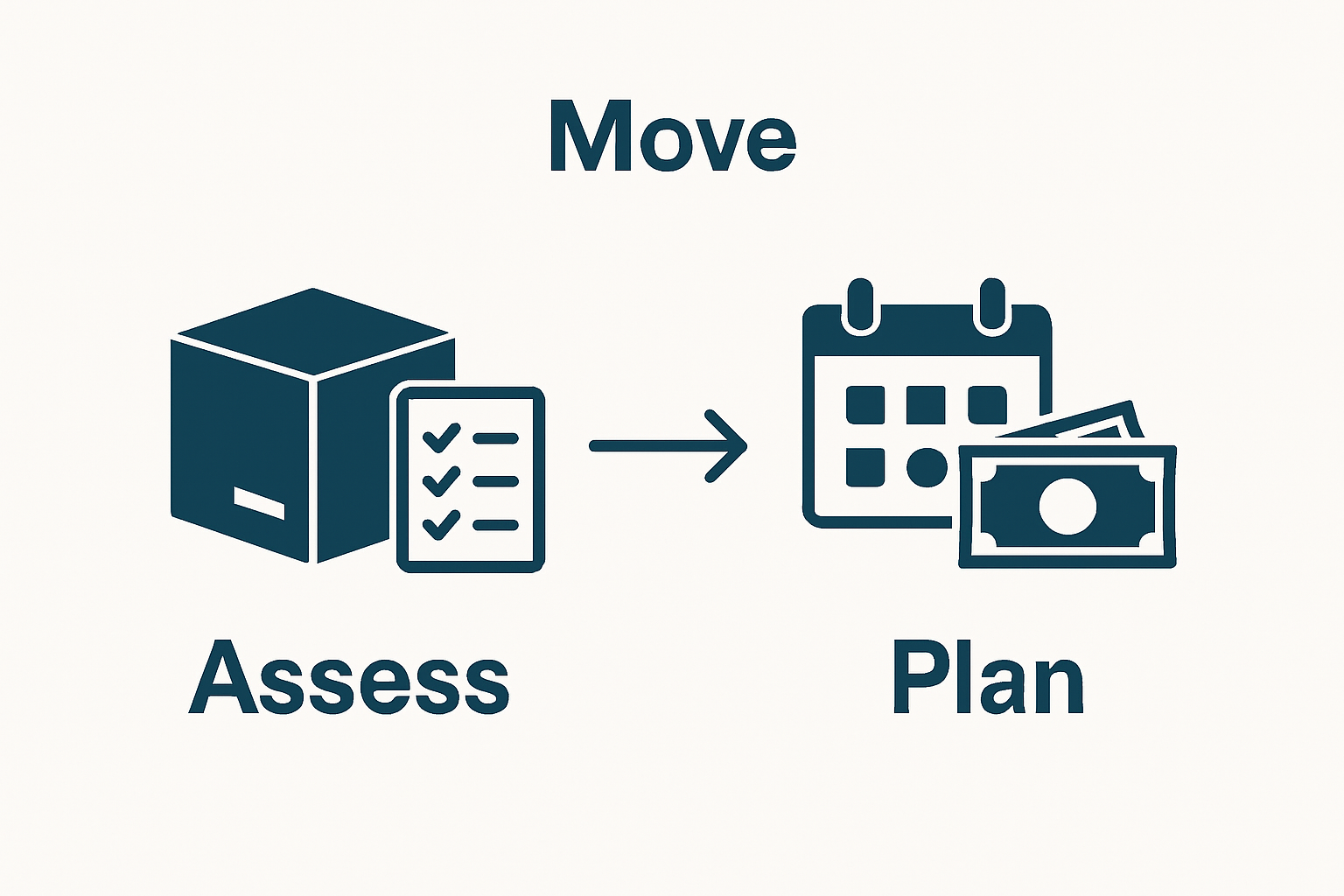
Finally, assess your personal and professional constraints. Coordinate with your employer if you’re relocating for work, review school transfer requirements for children, and consider any medical or personal needs that might require special accommodation during the move. By thoroughly understanding your current situation, you transform a potentially overwhelming process into a manageable, strategic transition.
Strategic planning transforms a potentially chaotic moving experience into a well-orchestrated transition. After assessing your current situation, the next critical phase involves developing a comprehensive moving strategy that anticipates challenges and creates a clear roadmap for success.
Begin by creating a detailed moving timeline that breaks down tasks into manageable segments. Your timeline should start at least 8 weeks before your planned moving date, with specific milestones for packing, hiring movers, transferring utilities, and managing administrative tasks. Consider creating a dedicated moving folder or digital spreadsheet to track progress and important documents. This approach helps you maintain organization and reduces the likelihood of overlooking critical details.
Financial preparation is another crucial component of strategic planning. Calculate your total moving budget, including potential hidden costs such as packing materials, transportation fees, insurance, and potential temporary housing expenses. Research different moving options, comparing professional moving services with self-moving alternatives. According to Consumer Reports, comparing at least three moving quotes can help you save up to 25% on total moving expenses.
Additionally, develop contingency plans for potential disruptions. Identify backup moving dates, understand your insurance coverage, and prepare an emergency kit with essential documents, medications, and immediate necessities. By planning strategically, you transform moving from a stressful event into a structured, manageable process. Learn more about our specialized moving strategies to ensure a smooth transition tailored to your unique needs.
Equipping yourself with the right moving supplies is more than just collecting boxes and tape. It’s about creating a systematic approach that protects your belongings, streamlines the packing process, and minimizes potential damage during transportation. Your supply strategy should be comprehensive and tailored to the specific types of items you’ll be moving.
Start by acquiring high-quality packing materials from multiple sources. While home improvement stores offer standard supplies, consider specialty moving stores and online retailers for more diverse options. Invest in sturdy moving boxes of various sizes, with special reinforced containers for heavy or fragile items. Professional-grade boxes are typically more durable than recycled grocery store boxes and provide better protection. Include specialty containers like wardrobe boxes for clothing, dish pack boxes for kitchenware, and padded boxes for electronics and delicate items.
Beyond boxes, gather essential packing accessories that will safeguard your belongings. This includes bubble wrap, packing paper, foam sheets, stretch wrap, and high-quality packing tape. According to The Spruce, using proper cushioning materials can reduce the risk of item damage by up to 70% during transit. Create a dedicated packing station in your home with all supplies easily accessible. This approach allows you to pack methodically and efficiently, reducing stress and potential mistakes.
Review this essential checklist of moving supplies to ensure you are fully prepared and organized before packing your belongings.
| Item | Purpose | Where to Get |
|---|---|---|
| Sturdy moving boxes (various sizes) | Store and protect belongings during transport | Home improvement/moving stores, online retailers |
| Bubble wrap & foam sheets | Cushion and protect fragile items | Specialty moving stores, online |
| Packing paper | Wrap and fill empty spaces in boxes | Home improvement/moving stores |
| Packing tape (high-quality) | Seal boxes securely | Home improvement stores, online |
| Wardrobe/dish pack boxes | Special protection for clothing and kitchenware | Moving supply retailers |
| Marker pens | Label boxes for organization | Office supply stores, online |
| Furniture blankets | Protect large pieces from damage | Moving stores, rental companies |
| Tool kit & scissors | Disassemble/reassemble furniture, cut materials | Home improvement stores |
Additionally, prepare an emergency moving kit with essential tools like scissors, box cutters, marker pens for labeling, a tape dispenser, and protective gloves. Consider including zip-lock bags for small items, furniture blankets for large pieces, and a tool kit for disassembling and reassembling furniture. By gathering comprehensive supplies in advance, you transform the potentially chaotic packing process into a controlled, strategic operation.
Packing is an art form that requires precision, strategy, and careful consideration. The goal is not just to transport items, but to preserve their condition and minimize potential damage during transit. Begin by creating a systematic approach that prioritizes protection and organization across different types of belongings.
Start with fragile and valuable items, giving them extra attention and care. Wrap delicate objects like glassware, ceramics, and electronics individually in bubble wrap, ensuring complete coverage with multiple layers. Use specialized packing paper or foam sheets between items to prevent friction and potential scratching. For electronic devices, consider using their original packaging if available, or invest in padded, static-free containers. Avoid leaving any empty spaces in boxes, as movement during transportation can cause significant damage. Fill gaps with additional packing materials like crumpled paper, foam peanuts, or additional bubble wrap to create a secure, immobilized environment for your belongings.
According to The University of California, Berkeley, proper packing techniques can dramatically reduce the risk of item damage during relocation. Categorize your items by weight and fragility, using heavy-duty boxes for weighty objects and lighter containers for more delicate possessions. Label each box clearly with its contents and handling instructions, marking fragile items with prominent warnings. Create a detailed inventory list that tracks each box and its contents, which will help you during unpacking and provide a reference in case of any potential insurance claims. Remember that strategic packing is about more than just physical protection - it’s about creating a systematic approach that reduces stress and ensures the safe arrival of your personal belongings.
Executing your move requires a delicate balance of physical preparation, strategic coordination, and mindful execution. The day of your move is the culmination of all your previous planning, and success depends on careful, methodical implementation. Start by ensuring all your packed boxes are clearly labeled, easily accessible, and arranged in a logical sequence for loading.
Prioritize personal safety and proper lifting techniques during the moving process. Wear comfortable, layered clothing and sturdy closed-toe shoes that provide good traction and ankle support. If you’re handling heavy items, use proper lifting mechanics: bend at the knees, keep your back straight, and lift with your leg muscles rather than your back. For particularly heavy or awkward items, always seek assistance or use moving equipment like dollies and hand trucks.
Communicate clearly with your moving team, establishing a coordinated approach to handling large furniture and fragile items.
According to OSHA’s material handling guidelines, team coordination and proper personal protective equipment are crucial in preventing moving-related injuries. Create a strategic loading plan for your moving vehicle, placing heavier items at the bottom and distributing weight evenly. Secure items with moving straps to prevent shifting during transit, and use furniture blankets to protect surfaces from scratches and dings. Discover expert strategies for a smooth moving experience that can help you navigate potential challenges. By maintaining focus, patience, and a systematic approach, you transform a potentially stressful day into a controlled, efficient transition to your new space.
The final stage of moving is not just about unpacking boxes, but about systematically transforming a new space into a functional, comfortable environment. Your unpacking process should be methodical, prioritizing essential items and creating a strategic approach to settling into your new location. Begin by conducting a comprehensive inventory check, comparing your packed items against the original inventory list to ensure nothing was lost or damaged during transit.
Start unpacking with a room-by-room strategy, focusing first on critical areas like the bedroom, bathroom, and kitchen. Unpack essentials that will help you function immediately such as bedding, toiletries, basic kitchenware, and a few changes of clothing. This approach prevents overwhelming chaos and helps you establish basic comfort quickly. As you unpack, take time to clean surfaces, check for any potential damage to walls or flooring, and plan your furniture placement thoughtfully. Consider the flow of the space and how you want each room to function, making adjustments as you go.
According to the Federal Motor Carrier Safety Administration, it’s crucial to document and report any transportation-related damages immediately. Inspect each box and item carefully, noting any scratches, dents, or broken items. Take photographs of any damage for potential insurance claims or moving company reports.
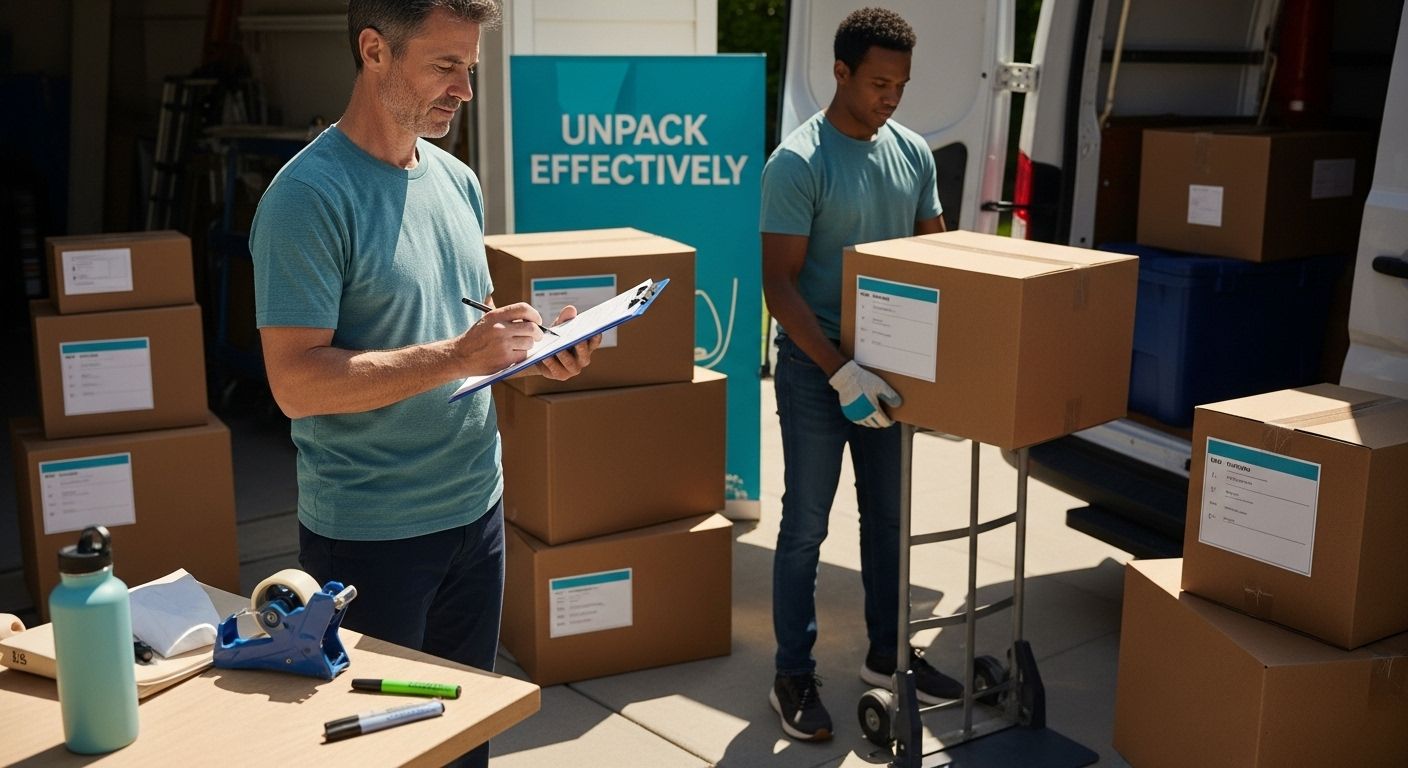
Create a system for breaking down empty boxes and packing materials to keep your new space organized. Remember that unpacking is not a race - take your time to place items carefully and create a living environment that feels comfortable and personalized. Learn more about creating a smooth transition to help you settle into your new home with confidence and ease.
Moving day can feel overwhelming, especially when you need every step to be secure and stress-free. If you are worried about protecting fragile items, coordinating complex logistics, or simply want a seamless move, you are not alone. The guide above highlights the need for proper planning, safe packing, and efficient execution. Many people get stuck with unexpected costs, time delays, or damaged belongings. But you do not have to face these challenges by yourself.
Let US Pro Logistics take the uncertainty out of your move. Our expert team provides proven solutions for residential, commercial, and specialty moves. We offer safe packing, transparent quotes, and reliable transportation across California and beyond. Benefit from industry experience, attention to detail, and personalized customer support at every stage. Get started now and make your next move the safest yet. Request your free quote today by visiting US Pro Logistics or see more tips in our top moving strategies guide. Let us help you transition with peace of mind.
You should document all belongings, categorizing them into items to move, donate or sell, and discard. This helps streamline your move and can reduce costs.
Develop a timeline starting at least 8 weeks before your move. Include specific milestones for packing, hiring movers, transferring utilities, and managing administrative tasks to keep everything organized and on track.
Gather high-quality packing supplies, including various sizes of sturdy moving boxes, bubble wrap, packing paper, and high-quality packing tape. Specialty containers for fragile and valuable items are also recommended.
Wrap fragile items individually with bubble wrap, fill empty spaces in boxes with cushioning materials, and clearly label each box with its contents and handling instructions. This minimizes potential damage during transit.
USDOT 3664256 This number is required for any company that operates commercial vehicles in interstate commerce (across state lines). It helps identify and track the safety performance and compliance of transportation companies.
MC 1268070 This number is specifically for companies involved in the transportation of goods or passengers for hire across state lines. It’s necessary for carriers operating in the moving industry and ensures they are authorized to operate as interstate carriers.

