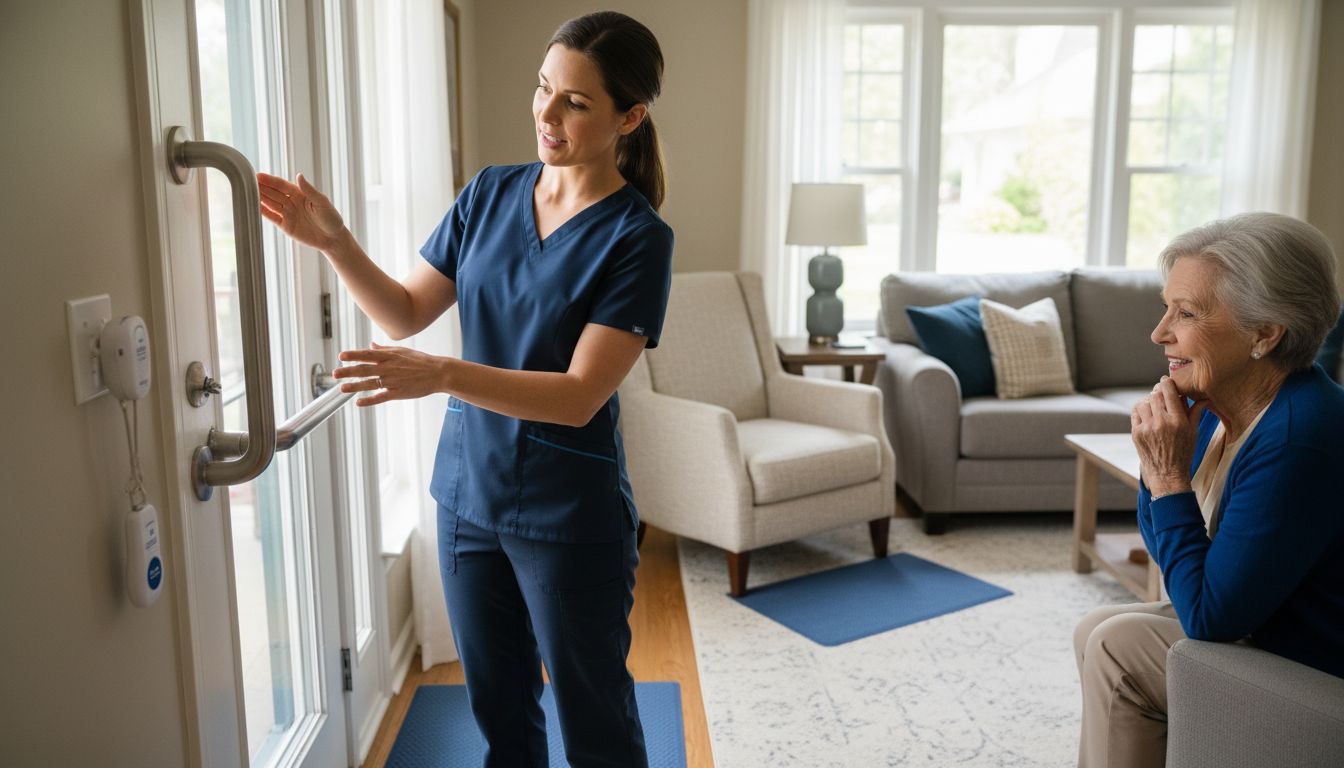
Did you know that one in four adults aged 65 and older experiences a fall each year in the United States? Home can feel like the safest place, yet hidden hazards often go unnoticed until they result in serious injury. Addressing these risks matters for anyone wishing to stay independent longer and enjoy peace of mind. With the right knowledge and simple changes, seniors and their families can transform daily living spaces into supportive, secure environments that minimize accidents and maximize confidence.
| Point | Details |
|---|---|
| Home Safety Essentials | Seniors must identify and mitigate hazards such as falls and fire risks to maintain independence and reduce injury. |
| Fall Prevention Strategies | Regular physical conditioning and environmental modifications are vital in preventing falls among seniors. |
| Emergency Preparedness | Develop comprehensive emergency plans that include communication networks and accessible escape routes tailored to mobility needs. |
| Choosing Support Services | Evaluate senior support services based on professional credentials, safety standards, and technology capabilities to ensure quality care. |
Home safety for seniors is a critical aspect of maintaining independence and preventing life-altering injuries. Home safety involves creating an environment that minimizes risks and supports older adults in navigating their living spaces confidently and securely. According to the U.S. Consumer Product Safety Commission, this process requires systematic identification and mitigation of potential hazards associated with daily living activities.
At its core, home safety encompasses several key dimensions. These include fall prevention, managing potential fire risks, ensuring proper lighting, eliminating tripping hazards, and creating accessible living spaces. Research from Mayo Clinic Health System indicates that seniors face unique challenges in their home environments, making proactive safety assessments crucial for maintaining quality of life.
The fundamental goal of home safety is protecting seniors’ physical well-being while preserving their sense of autonomy. This involves a comprehensive approach that considers mobility limitations, potential cognitive changes, and the specific layout of an individual’s living space. Strategic modifications can range from simple adjustments like removing loose rugs to more significant interventions such as installing grab bars or improving home lighting.
To support seniors in this journey, our guide to aging in place solutions offers detailed strategies for creating a safe, comfortable home environment. By understanding and implementing these safety measures, seniors can continue to live independently with confidence and reduced risk of injury.
Seniors face numerous potential hazards within their home environments that can significantly compromise their safety and independence. According to the U.S. Consumer Product Safety Commission, falls and fires represent the most critical risks for older adults, with household items and environmental conditions playing a substantial role in creating dangerous situations.
Falls emerge as the primary safety concern, with potential consequences ranging from minor bruises to life-altering injuries. Key fall risks include:
Additionally, fire hazards pose another significant threat to senior safety. Older electrical systems, outdated appliances, and reduced mobility can transform seemingly routine household activities into potential emergency scenarios. Cooking equipment, heating devices, and electrical malfunctions represent the most common sources of residential fire risks for seniors.
Beyond physical hazards, cognitive changes can further complicate home safety. Reduced reaction times, potential memory issues, and decreased sensory perception mean that seemingly minor environmental challenges can become substantial risks. Seniors might struggle with recognizing temperature changes, hearing smoke alarms, or quickly responding to potential emergencies.
To effectively mitigate these risks, our guide to aging in place solutions provides comprehensive strategies for creating a safer living environment. Understanding and proactively addressing these common hazards can help seniors maintain their independence while significantly reducing their risk of injury.
Preventing falls is a critical aspect of maintaining senior safety and independence. According to the Centers for Disease Control and Prevention, proactive strategies can significantly reduce the risk of fall-related injuries among older adults. Fall prevention requires a comprehensive approach that addresses physical, environmental, and personal health factors.
Physical conditioning plays a crucial role in fall prevention. Key strategies include:
Home environment modifications are equally important. The U.S. Consumer Product Safety Commission recommends several practical interventions to create a safer living space. Environmental modifications should focus on:
Medication management and regular health check-ups can also significantly contribute to fall prevention. Seniors should work closely with healthcare providers to review medications that might cause dizziness or affect balance, and undergo regular assessments of their overall physical condition.
For a deeper understanding of creating a safe living environment, our guide to aging in place solutions offers comprehensive strategies tailored to seniors’ unique needs. By implementing these fall prevention techniques, seniors can maintain their confidence and continue living independently with reduced risk.
Creating a safe and comfortable living environment is essential for seniors to maintain their independence and quality of life. According to Mayo Clinic Health System, home modifications play a crucial role in preventing accidents and supporting seniors’ daily activities.
Key areas for home adaptation include:
Bathroom modifications are particularly critical. Installing grab bars near toilets and in shower areas can significantly reduce fall risks. Non-slip mats, raised toilet seats, and walk-in shower designs can transform a potentially dangerous space into a safe environment. Adequate lighting and contrasting colors help seniors with reduced vision navigate these spaces more confidently.
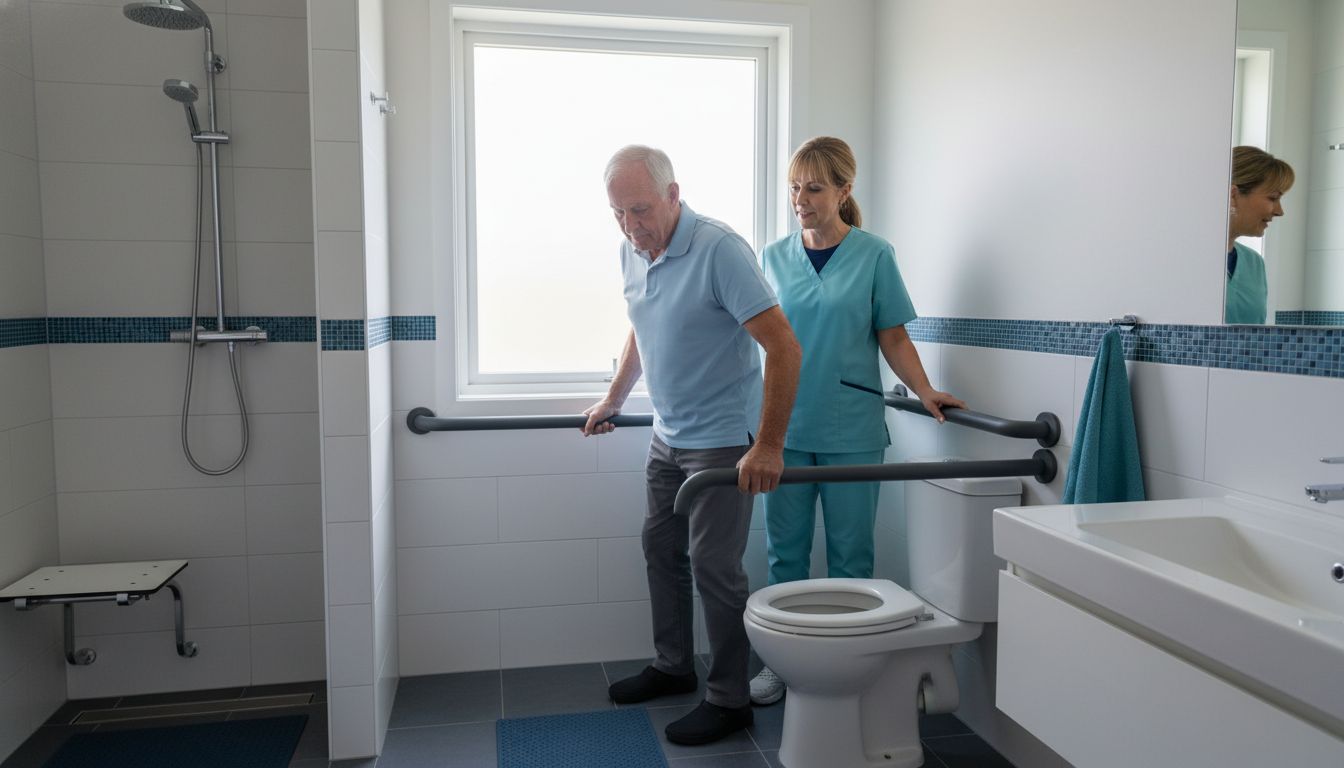
Beyond bathrooms, other living spaces require careful consideration. Bedroom modifications might include adjustable beds, improved lighting, and clear pathways. Kitchen adaptations could involve lowering counter heights, installing pull-out shelves, and ensuring appliances are easily accessible. Hallways and entrances should be wide, well-lit, and free from obstacles.
For seniors planning a move or comprehensive home redesign, our moving checklist for seniors provides additional guidance on creating a safe, comfortable living environment. By thoughtfully adapting living spaces, seniors can continue to live independently with confidence and security.
Here’s a summary of key home modifications for seniors:
| Area of Home | Common Hazards | Recommended Modifications |
|---|---|---|
| Bathroom | Slippery floors Lack of support |
Grab bars Non-slip mats Raised toilet seat |
| Bedroom | Poor lighting Clutter |
Adjustable bed Better lighting Clear pathways |
| Kitchen | Hard-to-reach items Slip risk |
Lowered counters Pull-out shelves Non-slip flooring |
| Hallways & Entrances | Obstacles Poor illumination |
Wide entryways Strong lighting No loose rugs |
Emergency preparedness is a critical aspect of home safety for seniors, requiring comprehensive planning and proactive strategies. According to the U.S. Fire Administration, older adults face unique challenges during emergencies that necessitate specialized preparation and response techniques.
Fire safety emerges as a primary concern. Seniors should develop and implement comprehensive fire escape plans that account for potential mobility limitations. Key strategies include:
Communication and support networks are equally crucial during emergencies. Seniors should establish a reliable system for receiving help, which might involve:
Technology can also play a significant role in emergency preparedness. Medical alert systems, smartphone emergency apps, and automated notification services can provide critical support during unexpected situations. Seniors should consider their individual health needs and mobility constraints when developing their emergency response strategy.
For seniors planning comprehensive safety preparations, our moving checklist for seniors offers additional guidance on creating a secure and well-prepared living environment. By understanding and implementing these emergency preparedness strategies, seniors can enhance their safety and maintain peace of mind.
Selecting appropriate senior support services is a critical decision that directly impacts the safety, well-being, and quality of life for older adults. According to the Centers for Disease Control, caregivers play a fundamental role in supporting seniors through comprehensive assistance and safety management.
When evaluating senior support services, key considerations include:
Safety standards are paramount in choosing support services. The U.S. Consumer Product Safety Commission emphasizes the importance of selecting providers committed to preventing injuries and maintaining high-quality care. This involves assessing providers’ protocols for emergency response, medical monitoring, and personalized care strategies. Potential support services should demonstrate a comprehensive understanding of seniors’ unique physical and emotional requirements.
Technology and communication capabilities have become increasingly important in modern senior support services. Providers should offer robust communication systems, real-time monitoring options, and flexible support plans that can adapt to changing health conditions. Understanding reliable moving companies can provide additional insights into selecting professional services that prioritize client safety and personalized care. By carefully evaluating potential support services across multiple dimensions, seniors and their families can ensure a supportive, secure, and dignified care experience.
Ensuring home safety for seniors starts with a living environment that supports their independence and well-being. The challenges of minimizing fall risks, adapting living spaces, and preparing for emergencies can feel overwhelming when facing a move. At US Pro Logistics, we understand these unique needs and specialize in senior moves that prioritize safety, accessibility, and peace of mind. By combining professional relocation expertise with a compassionate approach, we help seniors transition smoothly without compromising their comfort or security.
Take the next step toward a safer, more comfortable home environment by partnering with trusted experts. Explore how our senior moving services can accommodate special requirements like careful handling of medical equipment and thoughtful layout planning. Visit US Pro Logistics today to request a personalized quote and let us help you create the secure living space every senior deserves.
Common fall risks for seniors include uneven flooring, loose carpets, inadequate lighting, cluttered walkways, and slippery bathroom surfaces.
Home modifications can include installing grab bars in bathrooms, using non-slip mats, ensuring adequate lighting, removing tripping hazards, and creating clear walking paths to improve accessibility.
Preventing home fires involves installing smoke alarms in every bedroom, maintaining clear pathways to exits, creating multiple evacuation routes, and utilizing specialized alert devices like bed shakers.
Seniors can prepare for emergencies by developing a detailed emergency contact list, implementing fire escape plans, ensuring neighbors are aware of their needs, and utilizing medical alert systems for timely assistance.
USDOT 3664256 This number is required for any company that operates commercial vehicles in interstate commerce (across state lines). It helps identify and track the safety performance and compliance of transportation companies.
MC 1268070 This number is specifically for companies involved in the transportation of goods or passengers for hire across state lines. It’s necessary for carriers operating in the moving industry and ensures they are authorized to operate as interstate carriers.

