
Last mile delivery sounds simple. It is just the part where your package goes from a warehouse to your door. But the surprise is this final step eats up about 53 percent of the total shipping cost for companies. Everyone talks about drones and robots taking over, but the real battle is how to bring a box from just down the road the hardest mile of all.
| Takeaway | Explanation |
|---|---|
| Last mile delivery is vital for customer satisfaction. | Efficient last mile delivery enhances customer experiences and builds brand loyalty, crucial for competitive advantage. |
| 53% of shipping costs are last mile delivery. | Understanding this cost percentage helps businesses optimize their logistics strategies and reduce expenses effectively. |
| Technology is key to optimizing last mile processes. | Advanced tools like AI and GPS tracking streamline delivery routes, reducing times and improving accuracy. |
| Consumer expectations are evolving rapidly. | Businesses must meet rising demands for fast, flexible, and transparent delivery options to maintain market relevance. |
| Sustainability is becoming essential in logistics. | Adopting eco-friendly practices like zero-emission vehicles can enhance reputation and meet regulatory demands. |
Last mile delivery represents the critical final phase of the logistics process where goods are transported from a distribution center to the end customer’s doorstep. This crucial segment is often considered the most complex and expensive part of the entire shipping journey, representing approximately 53% of the total shipping cost.
At its core, last mile delivery is the final step in moving a product from a transportation hub to its ultimate destination. This could mean delivering a package to a residential address, a business location, or a designated pickup point. The complexity arises from the intricate navigation required to reach multiple individual destinations efficiently and cost-effectively.
Last mile delivery involves several key components:
In the age of e-commerce and instant gratification, last mile delivery has become increasingly significant. Research from McKinsey indicates that consumer expectations for fast, transparent, and affordable delivery have never been higher. Companies that master this final logistics stage can gain substantial competitive advantages.
The challenges of last mile delivery are multifaceted. Urban environments present congestion and parking difficulties, while rural areas require longer travel distances. Each delivery point presents unique logistical complexities that demand sophisticated routing algorithms, advanced technology, and adaptable transportation strategies.
Modern last mile delivery solutions leverage technologies like GPS tracking, mobile applications, and AI-powered route optimization to streamline the process. By integrating these technologies, logistics companies can reduce delivery times, improve accuracy, and ultimately enhance customer satisfaction.
Last mile delivery has transformed from a simple logistical requirement into a critical strategic element that directly impacts customer satisfaction, business competitiveness, and overall economic efficiency. This final stage of product distribution represents far more than just transportation it is the pivotal moment where businesses establish direct connection with their customers.
Modern consumers expect seamless, fast, and transparent delivery experiences. Research from Deloitte reveals that over 60% of customers are willing to pay premium prices for faster delivery options. This shift in consumer behavior has elevated last mile delivery from a backend logistics function to a key differentiator in market competition.
The critical aspects of customer-centric last mile delivery include:
Beyond customer satisfaction, last mile delivery carries substantial economic implications. For businesses, this final delivery segment represents the most expensive and complex part of the shipping process, consuming approximately 53% of total shipping costs.
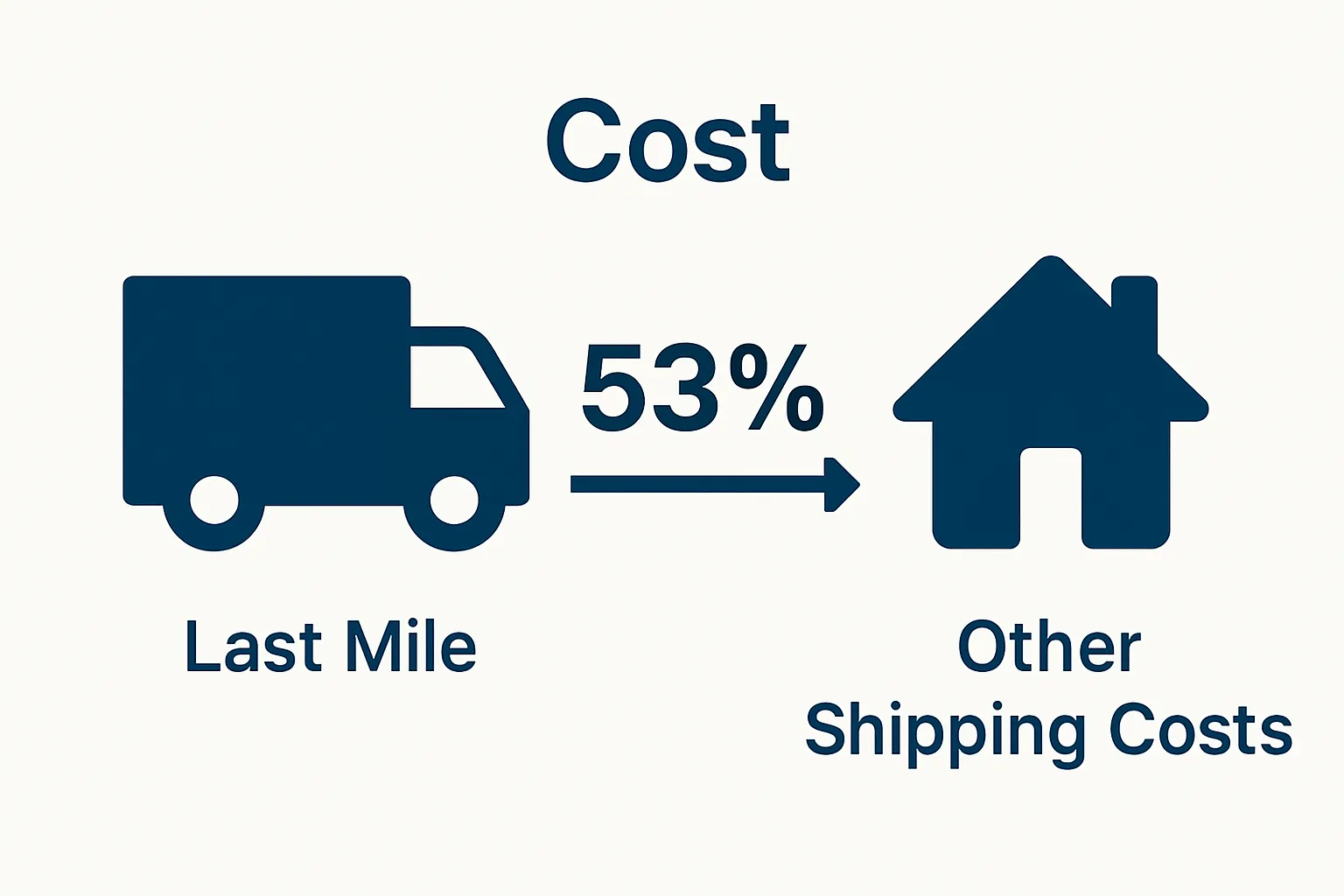 Efficient last mile strategies can significantly reduce operational expenses and improve overall supply chain performance.
The technological innovations driving last mile delivery include advanced routing algorithms, AI-powered optimization tools, and integrated mobile platforms. These technologies enable businesses to minimize transportation costs, reduce carbon emissions, and enhance delivery precision. By leveraging data analytics and machine learning, companies can predict demand patterns, optimize routes, and create more responsive delivery networks.
Ultimately, last mile delivery is not just about moving products it is about creating memorable customer experiences, building brand loyalty, and maintaining a competitive edge in an increasingly digital marketplace.
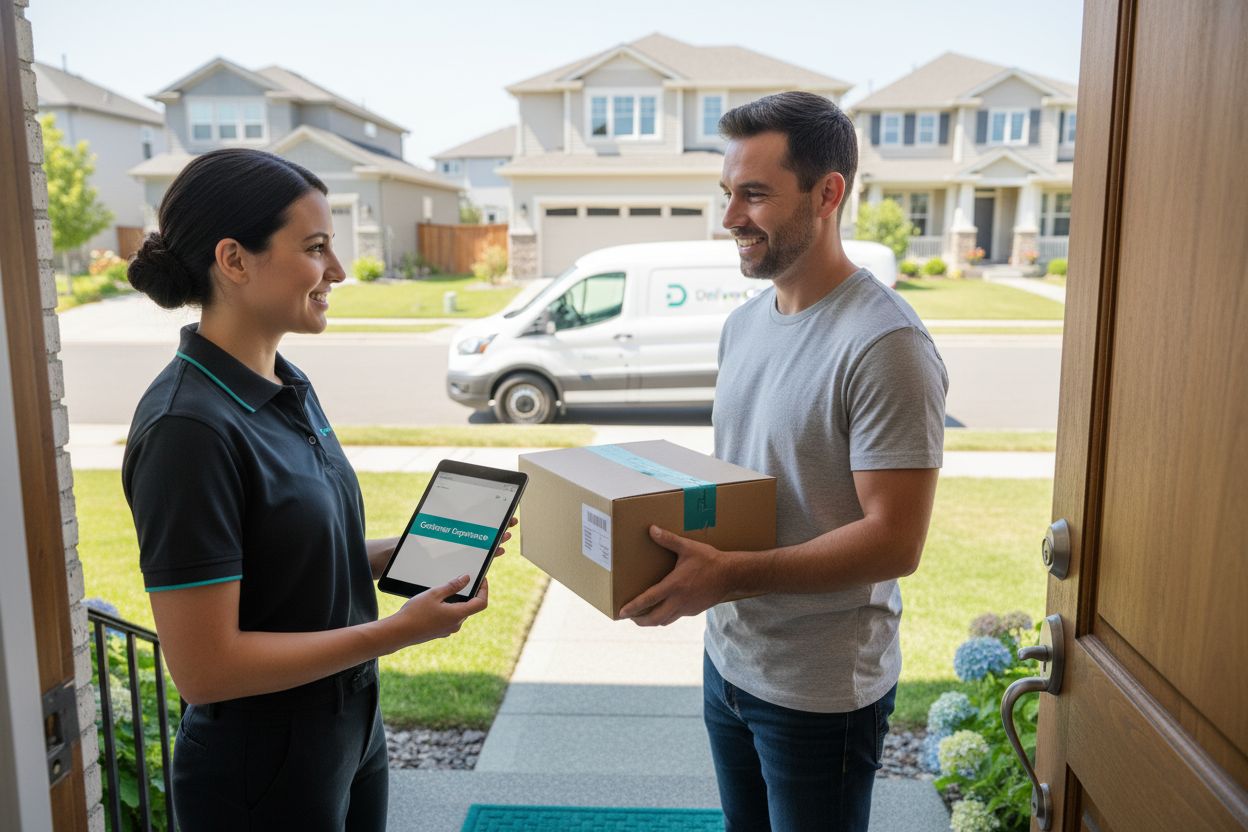
Last mile delivery operates as a complex, multifaceted process that transforms transportation strategy from a traditional linear model into a dynamic, customer-centric network. This intricate system connects distribution centers with end consumers through a sophisticated series of technological and logistical interventions.
The last mile delivery process begins immediately after a product is packaged and ready for shipment. Research from the Supply Chain Management Review demonstrates that successful implementation requires seamless coordination between multiple operational components.
The typical last mile delivery workflow includes:
Technological integration represents the backbone of modern last mile delivery. Advanced systems utilize artificial intelligence, machine learning, and complex routing algorithms to address inherent logistical challenges. These technologies help companies navigate obstacles such as traffic congestion, unpredictable delivery windows, and varying urban and rural infrastructure.
Key technological challenges include managing:
The complexity of last mile delivery is amplified by external factors like geographic diversity, consumer expectations, and infrastructure limitations.
Here is a table outlining key challenges logistics companies face in last mile delivery alongside the technological solutions commonly used to address them.
| Challenge | Technological Solution |
|---|---|
| Urban traffic congestion | AI-based route planning |
| Unpredictable delivery windows | Real-time GPS tracking |
| Diverse delivery locations/access points | Dynamic routing algorithms |
| High delivery costs | Advanced optimization tools |
| Accurate package tracking and updates | Integrated mobile applications |
| Variable urban and rural infrastructure | Adaptive route and vehicle management |
| Successful logistics providers must continuously adapt their strategies, leveraging cutting-edge technologies and data-driven insights to create efficient, responsive delivery networks that meet the evolving demands of modern commerce. |
Last mile delivery continues to evolve dramatically, driven by technological innovations and changing consumer expectations. As e-commerce grows exponentially, the strategies and technologies underpinning this critical logistics segment are undergoing radical transformation, reshaping how goods reach end consumers.
Research from Gartner indicates that technological advancements are fundamentally restructuring last mile delivery capabilities. Cutting-edge technologies are introducing unprecedented levels of efficiency, transparency, and customer engagement in the logistics ecosystem.
Key technological innovations include:
The last mile delivery landscape is increasingly prioritizing environmental sustainability and operational efficiency. Companies are exploring alternative delivery methods that reduce carbon footprints while maintaining rapid delivery timelines. Electric vehicles, bicycle couriers, and consolidated urban delivery networks represent emerging strategies designed to address environmental concerns.
Critical sustainability trends in last mile delivery encompass:
The convergence of technological innovation and sustainability objectives is creating a dynamic future for last mile delivery.
The table below summarizes the major technologies and sustainability trends driving last mile delivery, providing a side-by-side comparison for quick reference.
| Technology/Trend | Description |
|---|---|
| Autonomous Delivery Vehicles | Self-driving vehicles used to transport packages to customers |
| Drone-Based Delivery Systems | Aerial drones delivering small packages directly to recipients |
| AI Route Optimization | Artificial intelligence used to plan fastest, most efficient routes |
| Blockchain Tracking | Secure, transparent platforms for product tracking |
| Predictive Analytics | Data-driven tools forecasting demand and improving delivery plans |
| Zero-Emission Delivery Vehicles | Electric or alternative-fuel vehicles reducing environmental impact |
| Consolidated Urban Delivery | Centralized centers minimizing trips and congestion in cities |
| Shared Delivery Infrastructure | Multiple businesses sharing transportation resources to boost efficiency |
| As consumer expectations continue to evolve, logistics providers must remain agile, continuously adapting their strategies to balance operational efficiency, technological capability, and environmental responsibility. The next decade will likely witness unprecedented transformations in how goods are transported and delivered to end consumers. |
Last mile delivery strategies vary dramatically across industries, demonstrating remarkable adaptability and innovation in solving complex logistics challenges. From technology giants to local businesses, organizations are developing unique approaches to overcome delivery hurdles and meet evolving consumer expectations.
Research from McKinsey reveals that e-commerce companies have been at the forefront of last mile delivery innovation. Amazon, for instance, has pioneered advanced delivery strategies like Amazon Prime, which offers near-instantaneous delivery in many urban markets through sophisticated logistics networks.
Notable e-commerce last mile delivery strategies include:
Different sectors are developing customized last mile delivery solutions tailored to their unique requirements. Pharmaceutical companies are implementing temperature-controlled delivery networks for sensitive medical supplies, while grocery chains are creating specialized cold-chain logistics to ensure food safety and quality during transportation.
Innovative industry-specific delivery approaches feature:
These real-world examples demonstrate how last mile delivery has transformed from a simple transportation challenge into a sophisticated, technology-driven ecosystem that continuously adapts to changing market demands and consumer expectations.
If you are navigating the challenges of last mile delivery, you already know how important it is to offer reliable, transparent, and cost-effective solutions. The article highlighted how the “final step” of logistics—getting goods from the distribution center to the customer—is often the most expensive and complex part of the delivery process. Whether you are managing business relocations, specialized freight, or need residential support, you need a partner who understands route optimization, real-time tracking, and on-time deliveries.
Let US Pro Logistics simplify your last mile delivery worries. With our professional moving and logistics services, we offer tailored support built on years of experience serving California and nationwide clients. Discover our commitment to reliability and transparent pricing on the main site. Ready to create a seamless delivery experience? Request your personalized quote now and see how your next move or freight delivery can feel stress-free with a trusted logistics expert by your side.
Last mile delivery refers to the final step in the logistics process where goods are transported from a distribution center to the end customer’s doorstep. It is considered the most complex and expensive part of shipping, representing about 53% of total shipping costs.
Last mile delivery is crucial for businesses because it directly impacts customer satisfaction and competitive advantage. Efficient last mile strategies can significantly reduce operational costs, improve supply chain performance, and enhance customer loyalty in the e-commerce landscape.
Modern last mile delivery solutions utilize technologies such as GPS tracking, artificial intelligence for route optimization, mobile applications for real-time delivery updates, and advanced analytics to improve efficiency, reduce costs, and enhance customer experiences.
Logistics companies encounter various challenges in last mile delivery, including managing urban congestion, ensuring accurate package tracking, accommodating diverse delivery locations, and meeting the rising consumer expectations for fast and flexible services.
USDOT 3664256 This number is required for any company that operates commercial vehicles in interstate commerce (across state lines). It helps identify and track the safety performance and compliance of transportation companies.
MC 1268070 This number is specifically for companies involved in the transportation of goods or passengers for hire across state lines. It’s necessary for carriers operating in the moving industry and ensures they are authorized to operate as interstate carriers.

