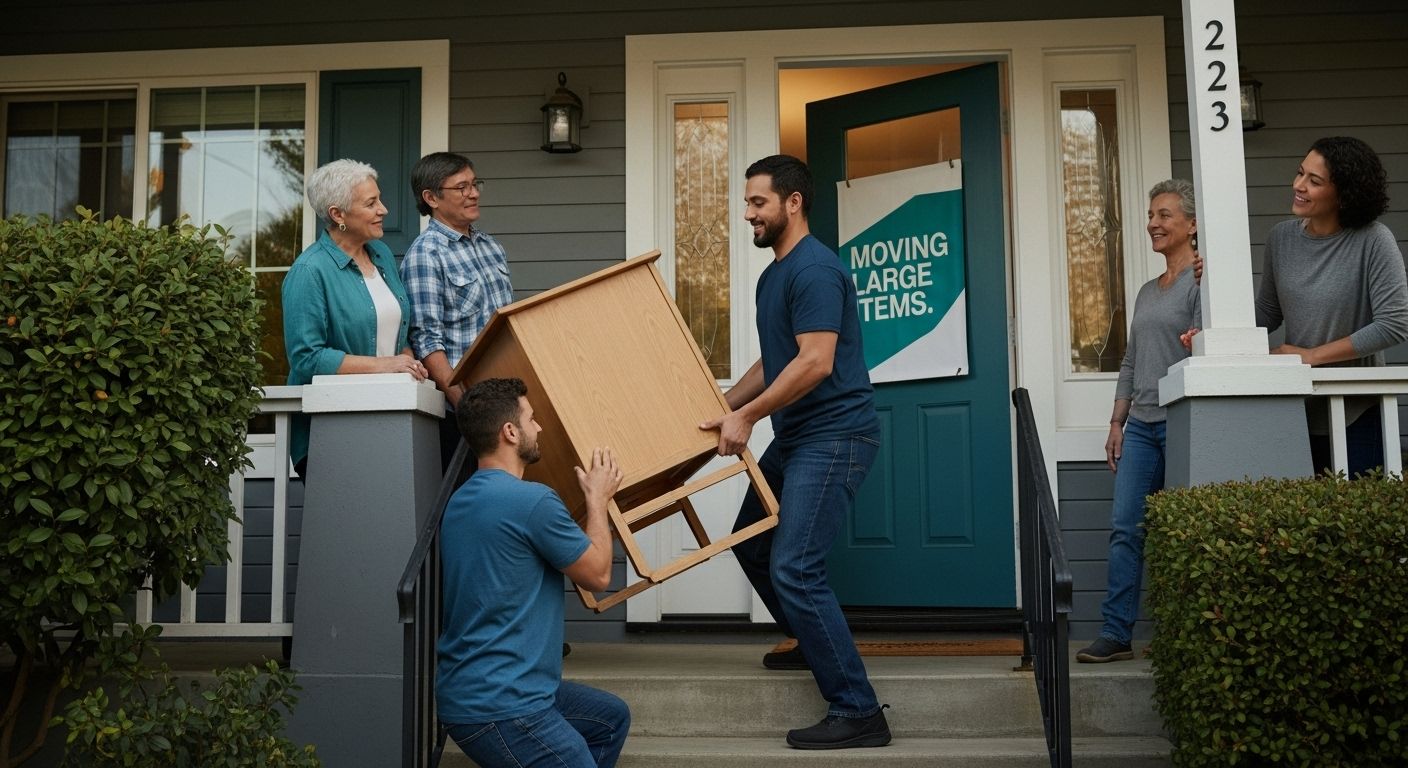
Moving a massive piece of furniture or an oversized appliance in California sounds simple until you try to squeeze it through a narrow doorway or up a tight staircase. Most people think strength alone gets the job done but over 30 percent of moving injuries happen because of improper lifting methods or lack of planning. The real game-winner is in the prep smart strategies and the right tools make all the difference and can save your back a world of pain.
| Takeaway | Explanation |
|---|---|
| Use correct lifting techniques. | Always lift heavy items using your legs, keeping a straight back. This prevents injuries during the move. |
| Pack items securely before moving. | Remove loose parts and use protective materials to wrap fragile items. This ensures their safety during transport. |
| Assess large items for safe transport. | Measure doorways and furniture to avoid difficulties. Disassemble bulky items if necessary for easier movement. |
| Choose the right moving equipment. | Utilize dollies, sliders, and straps to reduce strain and prevent accidents while moving heavy items. |
| Verify mover credentials and experience. | Ensure moving companies are licensed and experienced in handling large or specialized items to avoid potential issues. |
Moving large items requires careful planning and strategic preparation to prevent damage and ensure personal safety. Whether you’re relocating furniture, appliances, or specialized equipment, understanding the proper techniques can make a significant difference in your moving experience.
Proper lifting techniques are critical when moving large items to prevent potential injuries. Research from Rutgers University highlights essential guidelines for safe material handling. When preparing to lift heavy objects, stand close to the load with your feet shoulder width apart. Bend your knees while maintaining a straight back, ensuring you use leg muscles for lifting power rather than straining your back. Grip the item firmly and hold it close to your body to maintain balance and reduce strain.
For especially bulky or awkward items, do not attempt to move them alone. Professional movers recommend using mechanical assistance like hand trucks or seeking help from a partner. If an item feels too heavy or unwieldy, it’s always safer to request additional support. Our guide on cross-country moving provides additional insights into managing complex moving scenarios.
According to University of California Berkeley’s moving guidelines, effective preparation goes beyond just lifting. For furniture and large equipment, start by removing loose materials and securing movable parts. Desks and storage cabinets should be emptied, with contents carefully packed in sturdy boxes. File cabinets require special attention lateral file cabinets must be completely emptied, while vertical file cabinets can remain partially filled if locked.
Prior to moving, wrap fragile or sensitive surfaces in protective materials like bubble wrap, moving blankets, or specialized furniture covers. Use strong packing tape to secure these protective layers, ensuring they remain in place during transportation. For items with glass components or delicate surfaces, consider custom crating or professional packing services to minimize potential damage.
Before moving day, conduct a comprehensive assessment of the large items you need to transport. Measure doorways, hallways, and stairwells to confirm that furniture can be maneuvered without difficulty. Some oversized items might require disassembly or alternative moving strategies. Create a detailed inventory of large items, noting their current condition and any existing damage. This documentation can be crucial for insurance purposes and tracking during the move.
Consider the specific requirements of different large items. Electronics, artwork, antiques, and specialized equipment often need customized handling. Disconnect electronic devices, remove batteries, and pack them in their original packaging when possible. For valuable or irreplaceable items, consult with professional movers who can provide specialized packing and transportation services.
By implementing these strategic preparation techniques, you can significantly reduce the risks associated with moving large items. Patience, proper planning, and a systematic approach are key to ensuring a smooth and safe relocation process.
Moving large items requires more than muscle strength it demands strategic equipment and advanced lifting techniques to ensure safety and efficiency. Professional movers understand that successful heavy lifting involves careful preparation and the right tools.
Below is a summary table of essential moving equipment and their primary uses. This helps you quickly identify which tools are most appropriate for handling various heavy items during your move.
| Equipment | Description | Best For |
|---|---|---|
| Furniture Dollies | Wheeled platforms for transporting large furniture with minimal lifting | Sofas, dressers, tables |
| Hand Trucks | Upright devices with wheels and a support platform | Appliances, heavy boxes |
| Furniture Sliders | Pads that allow heavy furniture to glide across floors | Couches, cabinets (on hard floors) |
| Lifting Straps | Adjustable shoulder straps to redistribute weight and improve leverage | Bulky or awkward-shaped items |
Research from UC Davis emphasizes the importance of using appropriate mechanical aids when handling heavy items. Several critical pieces of equipment can dramatically reduce physical strain and injury risks during moving:
These tools not only protect your body from excessive strain but also significantly reduce the risk of damage to items and surfaces during transportation.
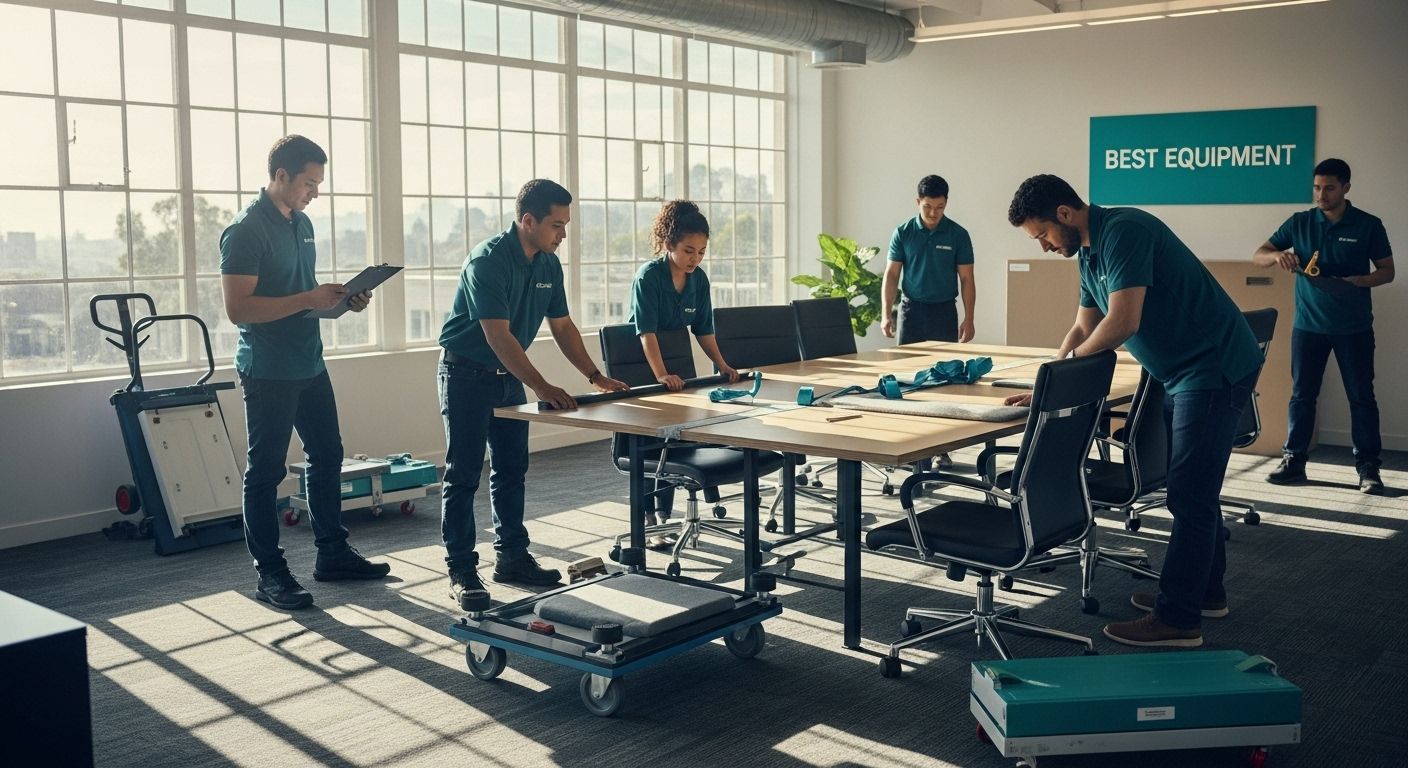
California State University Monterey Bay provides comprehensive guidelines for safe lifting techniques. Before attempting to move any heavy object, carefully assess the load’s weight and your physical capabilities. When lifting, maintain a stable stance with feet shoulder width apart, bend at the knees and hips while keeping your back straight, and lift using leg muscles rather than your back.
For especially heavy or awkward items, teamwork is crucial. Coordinate movements with a partner, communicate clearly about lifting directions, and establish a synchronized lifting rhythm. When moving large items like refrigerators, pianos, or office equipment, multiple people working together can prevent accidents and ensure smoother transportation.
Beyond basic equipment and techniques, professional movers employ advanced strategies for complex moving scenarios. This includes creating clear pathways, removing obstacles, and planning the most efficient route for moving large items. Disassemble furniture when possible to reduce weight and improve maneuverability. Use protective wrapping like moving blankets and bubble wrap to prevent scratches and damage during transit.
For extremely heavy or specialized items like industrial machinery, artwork, or delicate antiques, consider hiring professional moving services. These experts have specialized equipment like hydraulic lifts, custom crating, and climate-controlled transportation that can handle unique moving challenges.
Remember that proper preparation and the right equipment can transform a potentially stressful moving experience into a smooth, efficient process. Invest time in planning, use appropriate tools, and prioritize safety to ensure successful transportation of your large items.
Selecting the appropriate moving service is a critical decision that can significantly impact the success and stress level of your relocation. With numerous options available, understanding how to evaluate and choose the right moving company requires careful consideration and strategic research.
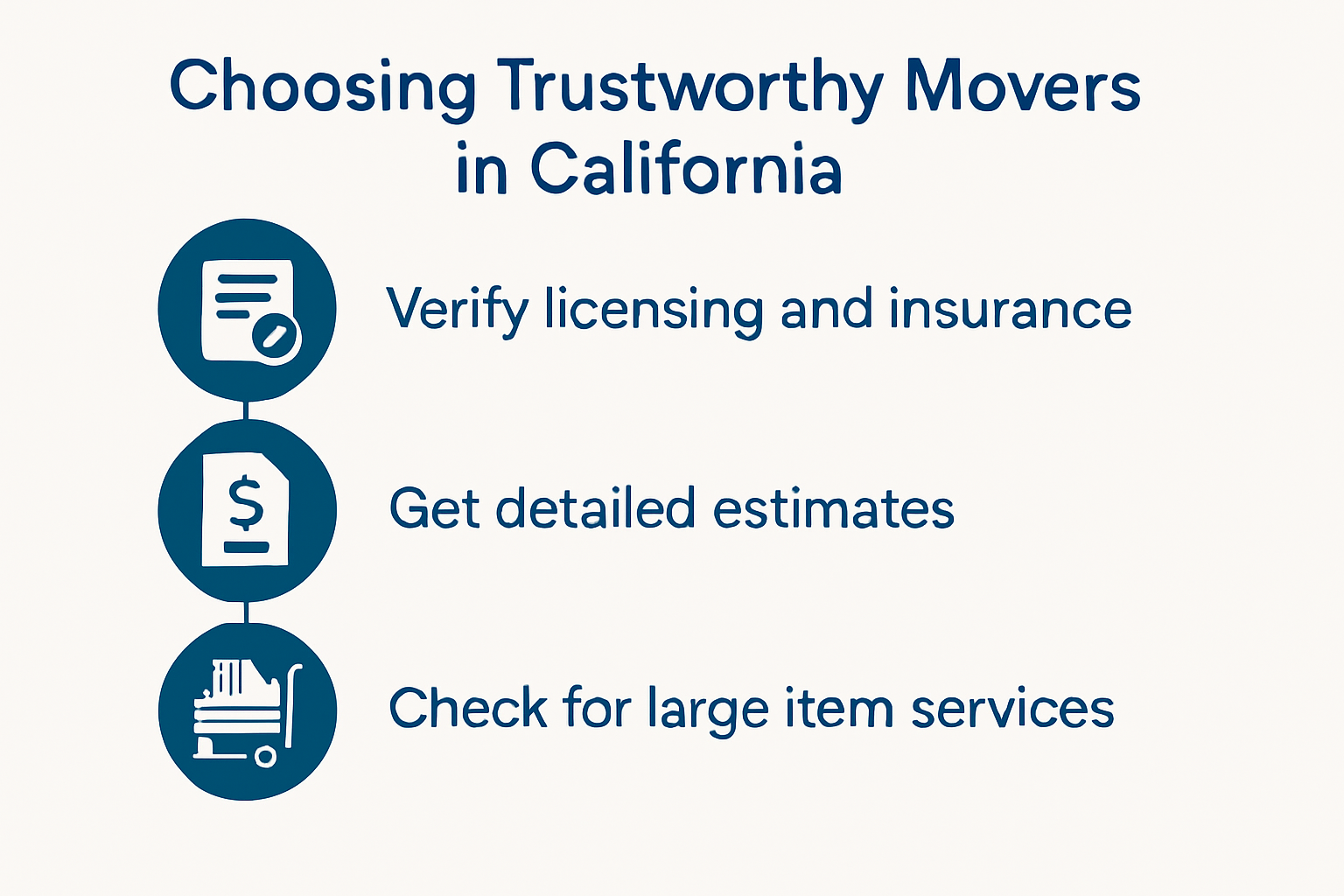
The Federal Motor Carrier Safety Administration emphasizes the importance of thoroughly verifying a moving company’s credentials before engagement. In California, movers must be licensed by the Bureau of Household Goods and Services. Check the company’s USDOT number, verify their active status, and review their complaint history. Professional moving companies should readily provide their licensing information and have a transparent track record.
Additionally, our guide to cross-country moving offers insights into identifying reputable moving services. Look for companies with established years of experience, comprehensive insurance coverage, and positive customer testimonials. A legitimate moving company will be transparent about their operational standards and willing to provide detailed documentation.
The California Attorney General’s Office recommends obtaining multiple in-person written estimates to understand potential moving costs. Avoid companies that provide estimates solely over the phone or internet. Reputable movers will conduct a visual inspection of your items and provide a comprehensive, itemized estimate that outlines all potential charges.
Key factors to consider in estimates include:
Be cautious of quotes that seem significantly lower than others, as they might indicate hidden fees or substandard service. A transparent pricing structure is crucial for budgeting and avoiding unexpected expenses.
The California Bureau of Household Goods and Services highlights the importance of selecting movers with expertise in handling specialized or large items. When moving bulky furniture, delicate equipment, or unique items, look for companies with specific experience and advanced moving equipment.
Consider movers who offer:
Before finalizing your choice, request detailed information about their process for handling large or complex items. A professional moving service should be able to provide a comprehensive plan that addresses your specific moving requirements.
Choosing the right moving service involves more than comparing prices. It requires thorough research, understanding of your specific needs, and careful evaluation of the company’s capabilities. Take time to ask questions, review documentation, and trust your instincts when selecting a moving partner for your large item relocation.
Relocating large items involves unique challenges that vary depending on the specific type of move. Understanding these nuanced requirements can significantly impact the success and safety of your transportation process.
The California Bureau of Household Goods and Services emphasizes the importance of specialized handling for residential relocations. Different types of personal property require distinct approaches. Fragile antiques, artwork, and delicate electronics demand custom packing techniques and climate-controlled transportation. Large furniture pieces might require disassembly, specialized wrapping, and strategic loading to prevent damage.
For residential moves involving unique items like grand pianos, home gym equipment, or custom-built furniture, professional assessment is crucial. Our cross-country moving guide recommends conducting a pre-move survey to determine the specific requirements of oversized or unusually shaped items.
California Code of Regulations provides strict guidelines for handling industrial equipment and commercial assets. Moving large machinery, office infrastructure, or specialized equipment requires advanced rigging operations and trained personnel. Considerations include:
Industrial relocations often involve precision-sensitive equipment like medical devices, laboratory instruments, or manufacturing machinery. Each item may require custom crating, shock absorption protection, and controlled environmental conditions during transit.
The California DMV’s Commercial Driver Handbook outlines critical transportation regulations. Large item relocations must adhere to specific weight limits, cargo coverage standards, and safety protocols. Key considerations include:
Unique relocations such as museum artifacts, scientific equipment, or sensitive technological infrastructure demand extraordinary care. Professional moving services specializing in these domains understand the intricate requirements of transporting high-value, fragile, or complex items.
Successful large item relocation is not just about physical transportation it involves comprehensive planning, specialized knowledge, and meticulous execution. Each move presents its own set of challenges, requiring a tailored approach that considers the specific nature of the items being transported, the distance of the move, and the potential risks involved.
Always use proper lifting techniques by bending your knees, keeping your back straight, and lifting with your legs, not your back. If an item is too heavy or awkward, use mechanical aids or seek help from others.
Start by removing loose or detachable parts and wrap fragile surfaces with protective materials like bubble wrap or moving blankets. Secure items with strong packing tape to ensure they remain protected during transport.
Essential equipment includes furniture dollies for easy transport, hand trucks for heavy boxes and appliances, furniture sliders for smooth movement across floors, and lifting straps to help redistribute weight for better leverage.
Measure the dimensions of both the large item and the entry points, including doorways, hallways, and stairwells. If necessary, consider disassembling bulky items to facilitate their movement through tight spaces.
Struggling with heavy furniture, tight corners, or fragile equipment? You are not alone. The hardest part of any California move is protecting both your belongings and yourself from injury or damage. The article outlined how critical it is to use smart prep, the right lifting tools, and professional planning, but the risk and complexity can still feel overwhelming without experienced support.
Skip the guessing and let certified movers handle the challenge for you. The US Pro Logistics team specializes in moving oversized, delicate, or valuable items for both homes and businesses across California and the United States. Whether you need secure furniture wrapping, custom crating, or expert navigation through tricky spaces, we tailor every move for safety and peace of mind. Ready to avoid costly mishaps and save time? Explore our full moving solutions here or request your free quote directly from our homepage at US Pro Logistics. Take the next step today and turn your daunting move into a smooth success.
USDOT 3664256 This number is required for any company that operates commercial vehicles in interstate commerce (across state lines). It helps identify and track the safety performance and compliance of transportation companies.
MC 1268070 This number is specifically for companies involved in the transportation of goods or passengers for hire across state lines. It’s necessary for carriers operating in the moving industry and ensures they are authorized to operate as interstate carriers.

