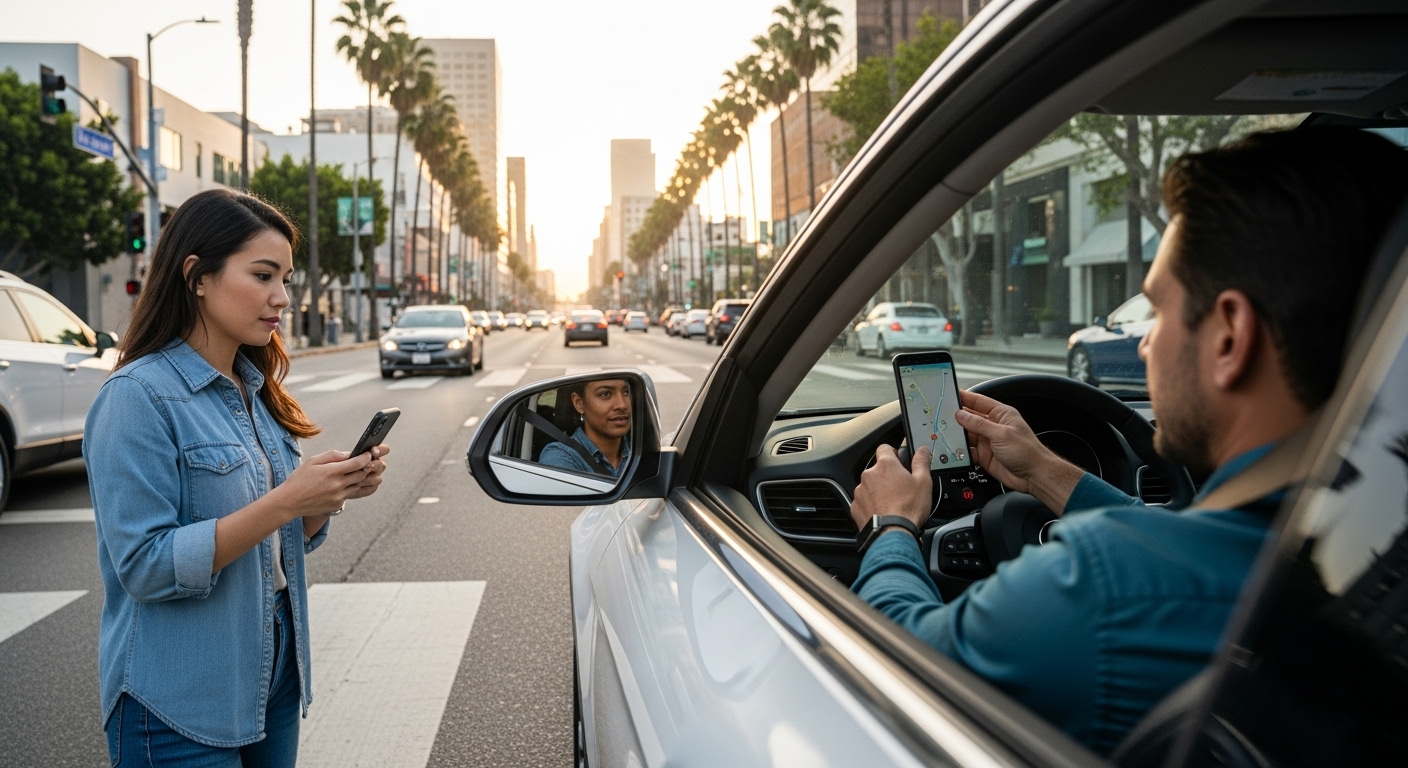
Driving in Los Angeles is not just a daily routine for locals. It is a test of patience, skill, and strategy. On average, drivers in LA lose about 119 hours per year stuck in traffic. That sounds overwhelming, right? Yet, what catches most newcomers off guard is this almost predictable chaos can actually be managed. With a few expert tips and the right approach, navigating LA can become surprisingly smooth.
| Takeaway | Explanation |
|---|---|
| Understand LA traffic peak times | Morning and evening rush hours see significant congestion in LA, affecting travel times drastically. |
| Use navigation apps consistently | Leverage apps like Google Maps or Waze for real-time updates to avoid traffic and arrive on time. |
| Know local driving laws | Be aware of California’s specific regulations to avoid fines and ensure safe driving in LA. |
| Practice smart parking techniques | Familiarize yourself with local parking rules and use apps to find available spots to avoid violations. |
| Prepare for emergency situations | Keep an emergency kit and know what steps to take during roadside emergencies to ensure safety. |
Los Angeles is notorious for its complex and unpredictable traffic patterns, making navigation through the city a unique challenge for drivers. Understanding the intricacies of LA’s traffic landscape is crucial for safe and efficient driving. The city’s massive metropolitan area spans over 500 square miles, with multiple interconnected highways and streets that can quickly become congested.
Traffic in Los Angeles follows distinct rhythms and peak periods that every driver should comprehend. The most challenging traffic times typically occur during morning rush hours between 6:30 AM and 9:30 AM and evening rush hours from 4:00 PM to 7:00 PM. During these windows, major freeways like the 405, 101, and 10 become virtual parking lots, with speeds dropping dramatically.
Key factors contributing to LA’s traffic complexity include:
According to California Department of Transportation, Los Angeles consistently ranks among the most congested urban areas in the United States. The average Los Angeles driver spends approximately 119 hours per year stuck in traffic, which underscores the importance of strategic route planning and time management.
Successful navigation requires more than just knowing peak hours. Drivers should familiarize themselves with alternative routes, understand real-time traffic monitoring tools, and remain flexible with their travel times. Our guide on moving to Los Angeles can provide additional insights into local transportation dynamics.
Be prepared to adapt, stay patient, and always maintain situational awareness when driving in this dynamic urban environment. Knowing these traffic patterns can transform your driving experience from stressful to manageable.
In the digital age, navigation apps have become essential tools for Los Angeles drivers, providing critical real-time information that can significantly reduce travel time and stress. These technological companions offer more than just basic directions, transforming how drivers navigate the city’s complex roadways.
Modern navigation applications provide comprehensive features that go beyond traditional GPS tracking. Advanced apps now integrate live traffic data, accident reports, construction updates, and alternative route suggestions, allowing drivers to make informed decisions quickly. This technology is particularly valuable in Los Angeles, where traffic conditions can change dramatically within minutes.
Key advantages of using navigation apps include:
According to Pew Research Center, approximately 85% of smartphone users rely on navigation apps for daily commuting. In Los Angeles, where traffic unpredictability is a constant challenge, these apps become even more critical.
While multiple navigation apps exist, drivers should compare features and reliability. Popular options like Google Maps, Waze, and Apple Maps each offer unique advantages. Some apps specialize in crowd-sourced traffic information, while others provide more detailed route analysis.
Our guide on moving to Los Angeles can provide additional context about navigating the city’s complex transportation landscape. Remember to always prioritize safety: set your route before driving and use hands-free mounting for your device to maintain focus on the road.
Navigating Los Angeles becomes significantly more manageable when you leverage these technological tools effectively. Stay informed, adaptable, and one step ahead of traffic challenges.
Navigating Los Angeles roads requires more than just understanding traffic patterns. Knowledge of local driving laws and regulations is crucial for safe and legal driving. California has specific traffic regulations that differ from other states, and Los Angeles enforces these rules with particular attention to detail.
Drivers must understand several critical legal considerations unique to Los Angeles and California. Moving violations can result in significant financial penalties and potential license complications. The complexity of urban driving demands heightened awareness of legal requirements.
Key driving regulations in Los Angeles include:
According to California Department of Motor Vehicles, California implements some of the most stringent traffic enforcement policies in the United States. Violations can result in substantial fines, with some tickets exceeding $500 for repeated offenses.
Special attention must be paid to unique Los Angeles traffic regulations. For instance, many intersections have specific turning restrictions during peak hours, and parking regulations can be extraordinarily complex. Street cleaning schedules, permit zones, and temporary no-parking areas require constant vigilance.
Our guide on moving to Los Angeles provides additional context about local transportation regulations. Drivers should also regularly review current DMV guidelines, as traffic laws can change periodically.
Beyond legal compliance, understanding these regulations contributes to overall road safety. Knowledgeable drivers create a more predictable and secure driving environment for everyone on Los Angeles streets. Stay informed, stay safe, and respect the local driving ecosystem.
Parking in Los Angeles can be an art form, requiring strategic planning, patience, and a deep understanding of local regulations. Successful parking in this bustling city demands more than just finding an open spot it requires navigating a complex landscape of street signs, permit zones, and unwritten urban parking etiquette.
The challenges of Los Angeles parking stem from its dense urban environment, where street space is a precious commodity. Drivers must develop keen observational skills and understand the nuanced parking regulations that vary dramatically between neighborhoods.
Essential parking strategies include:
According to Los Angeles Department of Transportation, the city has over 6,500 miles of streets with varying parking regulations. Parking violations can result in substantial fines, sometimes exceeding $200 for a single ticket.
Parking in residential areas requires additional consideration. Many neighborhoods implement permit parking systems, which restrict street parking to residents and their guests. Visitors must be particularly careful to avoid unauthorized parking, which can lead to immediate towing.
Our guide on moving to Los Angeles offers more insights into navigating the city’s complex parking landscape. Technology has become an invaluable ally, with numerous smartphone apps now providing real-time parking availability and meter management.
Mastering Los Angeles parking is about more than avoiding tickets. It is about understanding the city’s urban rhythm, respecting local regulations, and developing a strategic approach to urban mobility. Stay alert, plan ahead, and approach parking with the same precision you would any other aspect of driving in this dynamic city.
While Los Angeles is renowned for its seemingly perfect weather, drivers must still remain vigilant about potential climate variations that can significantly impact road conditions. Understanding and preparing for diverse weather scenarios is crucial for safe driving in Southern California.
Contrary to popular belief, Los Angeles experiences more weather complexity than many realize. From occasional heavy rainfall to rare but intense heat waves, drivers need a comprehensive approach to weather preparedness. Seasonal shifts can create unexpected driving challenges that require constant adaptability.
Critical weather preparation strategies include:
According to National Weather Service, Los Angeles experiences microclimate variations that can dramatically change driving conditions within short distances. Coastal areas might experience heavy fog, while inland regions simultaneously encounter intense sunlight and heat.
Rain presents unique challenges in Los Angeles, where infrequent precipitation can create hazardous road conditions. The first few minutes of rainfall are particularly dangerous, as accumulated road oils become extremely slick. Drivers must reduce speed and increase following distance during these moments.
Our guide on moving to Los Angeles provides additional insights into local environmental considerations. Experienced drivers understand that preparation goes beyond momentary reactions it involves consistent vehicle maintenance and situational awareness.
Ultimately, successful navigation through Los Angeles weather requires a combination of technological awareness, vehicle readiness, and personal adaptability. Stay informed, stay prepared, and approach each drive with a proactive mindset.
Defensive driving in Los Angeles is not just a skill it is a survival strategy. The complex and often unpredictable nature of city traffic demands a proactive approach to road safety. Drivers must anticipate potential hazards, maintain constant situational awareness, and react strategically to minimize risks.
Los Angeles roadways present unique challenges that require heightened driving vigilance. Multiple lanes, frequent lane changes, and diverse driver behaviors create an environment where defensive driving becomes paramount. Understanding and implementing advanced defensive techniques can significantly reduce the likelihood of accidents.
Key defensive driving principles include:
According to California Highway Patrol, defensive driving techniques can reduce collision risks by up to 50%. The most successful drivers understand that prevention is always more effective than reaction.
Specific strategies for Los Angeles driving involve understanding the psychological dynamics of urban traffic. This means recognizing potential stress triggers, maintaining emotional control, and making calculated decisions rather than impulsive moves. Patience becomes a critical skill in navigating the city’s complex road network.
Our guide on moving to Los Angeles offers additional insights into local driving dynamics. Technology can also support defensive driving, with many modern vehicles featuring advanced driver assistance systems that provide additional safety layers.
Mastering defensive driving is an ongoing process of learning, adaptation, and self-awareness. By cultivating a mindset of calm, strategic navigation, drivers can transform potential road challenges into manageable experiences.
Emergency preparedness is a critical aspect of driving in Los Angeles, where unexpected situations can arise quickly. Understanding and implementing proper emergency procedures can mean the difference between a manageable incident and a potential catastrophe. Drivers must be equipped with both knowledge and practical skills to handle various roadside emergencies.
The diverse and complex road network of Los Angeles presents unique challenges that require comprehensive emergency preparedness. From unexpected vehicle breakdowns to potential accident scenarios, knowing the right steps can protect your safety and the safety of others.
Essential emergency preparedness steps include:
According to California Department of Motor Vehicles, drivers should have a clear action plan for various emergency scenarios. Preparation involves both mental readiness and physical equipment.
Vehicle breakdowns require specific strategic responses. If your vehicle experiences mechanical issues, the priority is to move to a safe location away from traffic. Turn on hazard lights, slowly reduce speed, and aim to reach the rightmost lane or a designated emergency pullout area. Having a charged mobile phone and knowing your exact location can significantly expedite assistance.
Our guide on moving to Los Angeles provides additional context about navigating potential urban emergencies. Comprehensive insurance coverage and membership in roadside assistance programs can provide additional layers of support during unexpected situations.
Ultimately, emergency preparedness is about maintaining calm, having a clear action plan, and prioritizing personal and public safety. By understanding potential scenarios and preparing accordingly, Los Angeles drivers can navigate challenging situations with confidence and composure.
Below is a comprehensive table summarizing the seven essential driving tips for Los Angeles drivers, covering key topics, actionable advice, and main outcomes outlined in the article.
| Tip/Area | Key Points & Actions | Main Benefit/Outcome |
|---|---|---|
| Understand LA Traffic Patterns | Learn rush hour times, major routes, and plan alternative routes; monitor live traffic updates | Reduces commute time and stress, improves route planning |
| Use Navigation Apps for Real-Time Updates | Employ apps like Google Maps and Waze for live updates, accident alerts, and alternative routes; prepare navigation before driving | Avoids unexpected delays, boosts punctuality and safety |
| Be Aware of Local Driving Laws | Know CA rules like full stops, hands-free devices, and pedestrian right-of-way; review regulations regularly | Prevents fines, ensures legal compliance and safety |
| Learn to Park Smartly in Busy Areas | Carefully read parking signs, heed permit regulations, utilize parking apps, avoid restricted areas | Avoids tickets and towing, saves time parking |
| Stay Prepared for Weather Conditions | Check weather forecasts, maintain emergency kits and vehicle condition, adapt for rain or fog | Improves safety and preparedness for variable conditions |
| Practice Defensive Driving Techniques | Keep safe distances, scan road, anticipate hazards, stay calm, avoid aggressive interactions | Reduces accident risk, encourages strategic driving |
| Know Emergency Procedures on the Road | Carry emergency kit, roadside contact info, basic troubleshooting knowledge, know safe pullover procedures | Ensures prompt, safe response to breakdowns or accidents |
Navigating Los Angeles streets means more than knowing the rules. You face unpredictable traffic, complicated parking, and sudden emergencies. These everyday roadblocks can add stress to any move. Whether you are planning a residential relocation or managing a business transition, local knowledge and well-prepared support can make all the difference.
US Pro Logistics understands the unique pressures LA drivers experience. When our team manages your move, we take over the logistics so you can focus on safer, smarter driving decisions. We help you avoid costly mistakes with expert route planning, real-time updates, and complete awareness of local regulations. Let us handle the heavy lifting so you stay alert and confident on the road. Explore our full range of professional services at US Pro Logistics or request your personalized quote directly. The sooner you act, the sooner you can leave LA’s toughest traffic challenges in the rearview mirror.
The most congested traffic times in Los Angeles typically occur during morning rush hours between 6:30 AM and 9:30 AM and evening rush hours from 4:00 PM to 7:00 PM.
Navigation apps provide real-time traffic updates, accident reports, construction alerts, and alternative route suggestions, allowing drivers to navigate traffic more efficiently.
Key local driving laws include the requirement for a complete stop at stop signs, mandatory hands-free mobile device use, and strict pedestrian right-of-way regulations.
A vehicle emergency kit should include first aid supplies, water, basic tools, a flashlight, and an emergency contact list, ensuring you are prepared for roadside emergencies.
USDOT 3664256 This number is required for any company that operates commercial vehicles in interstate commerce (across state lines). It helps identify and track the safety performance and compliance of transportation companies.
MC 1268070 This number is specifically for companies involved in the transportation of goods or passengers for hire across state lines. It’s necessary for carriers operating in the moving industry and ensures they are authorized to operate as interstate carriers.

